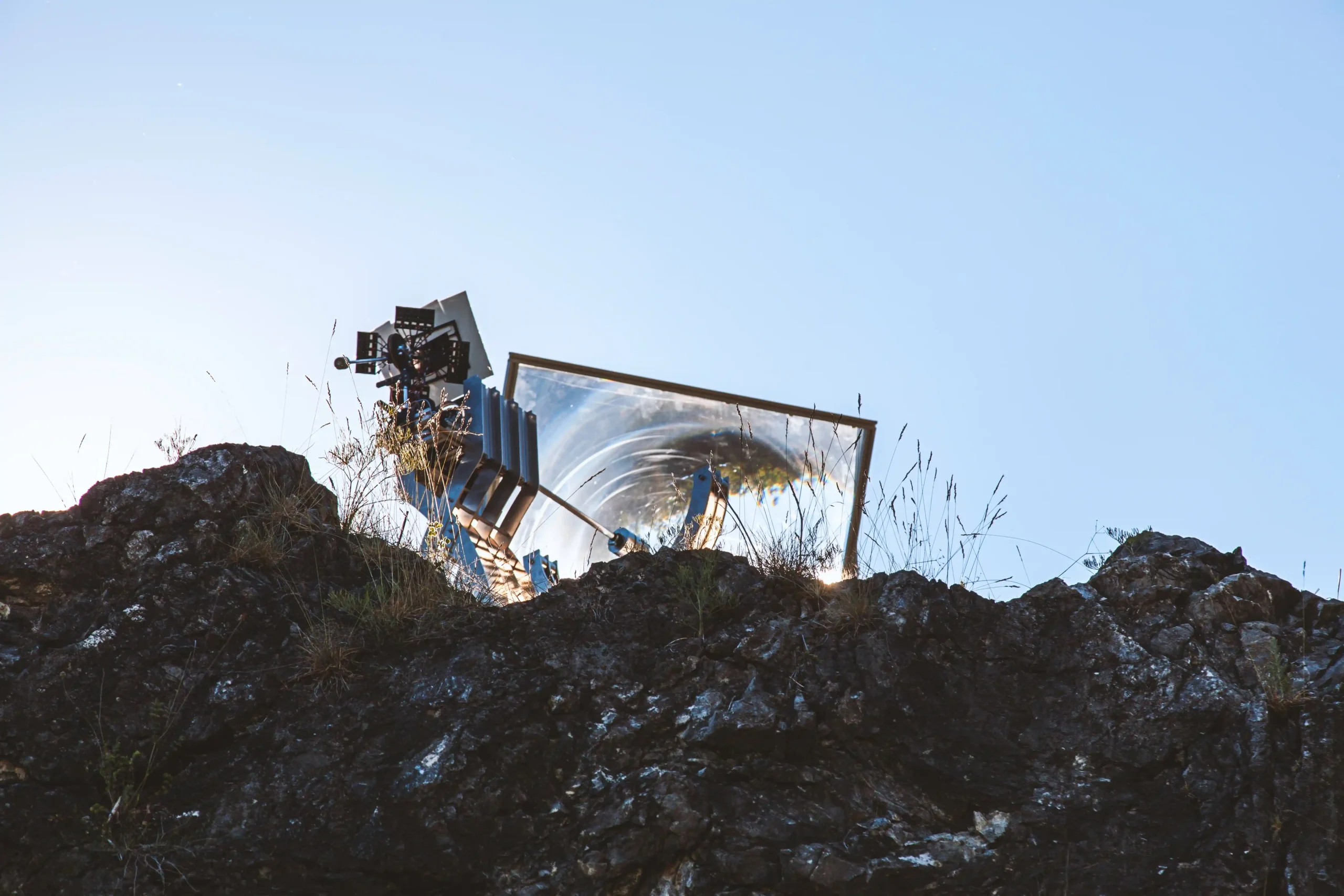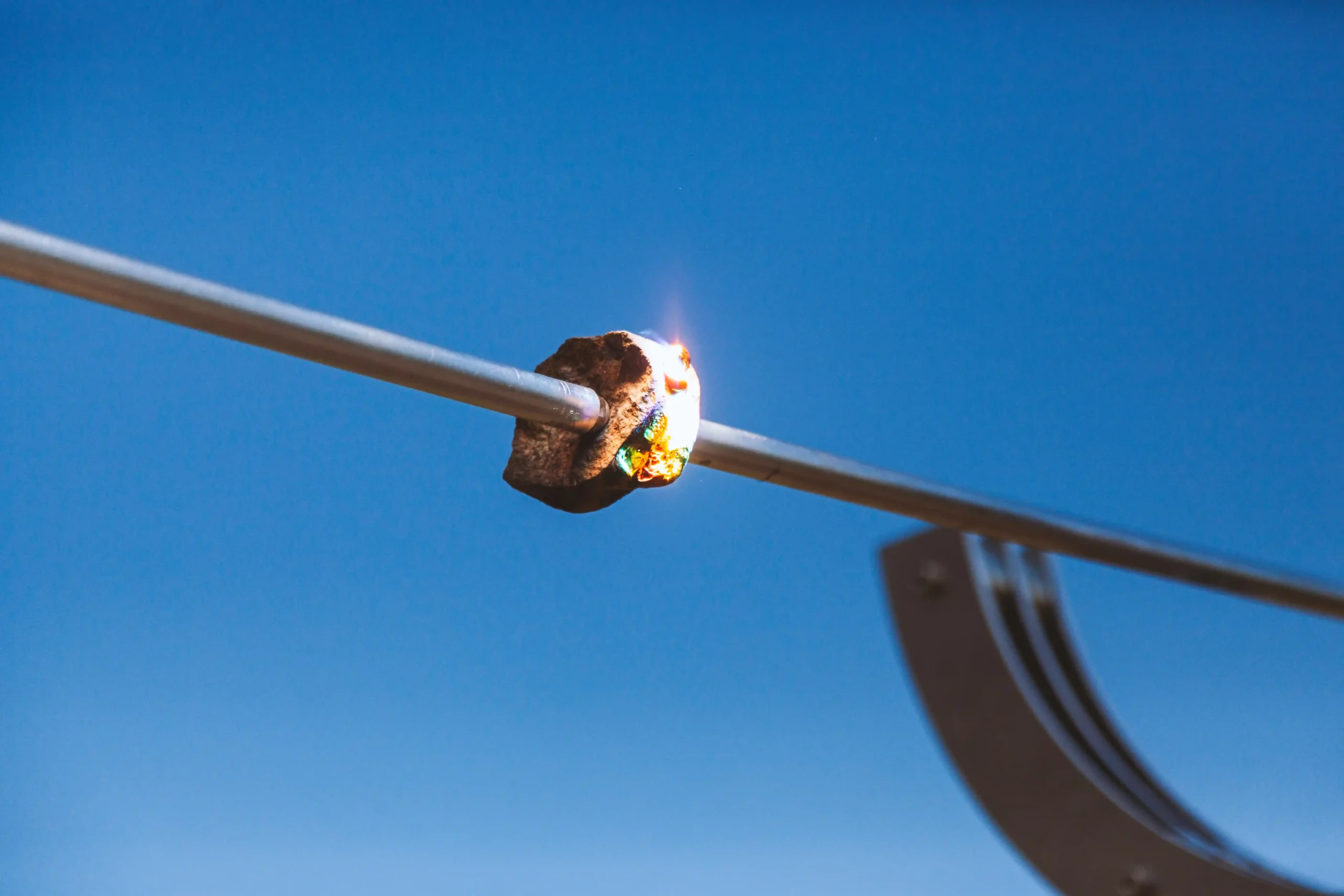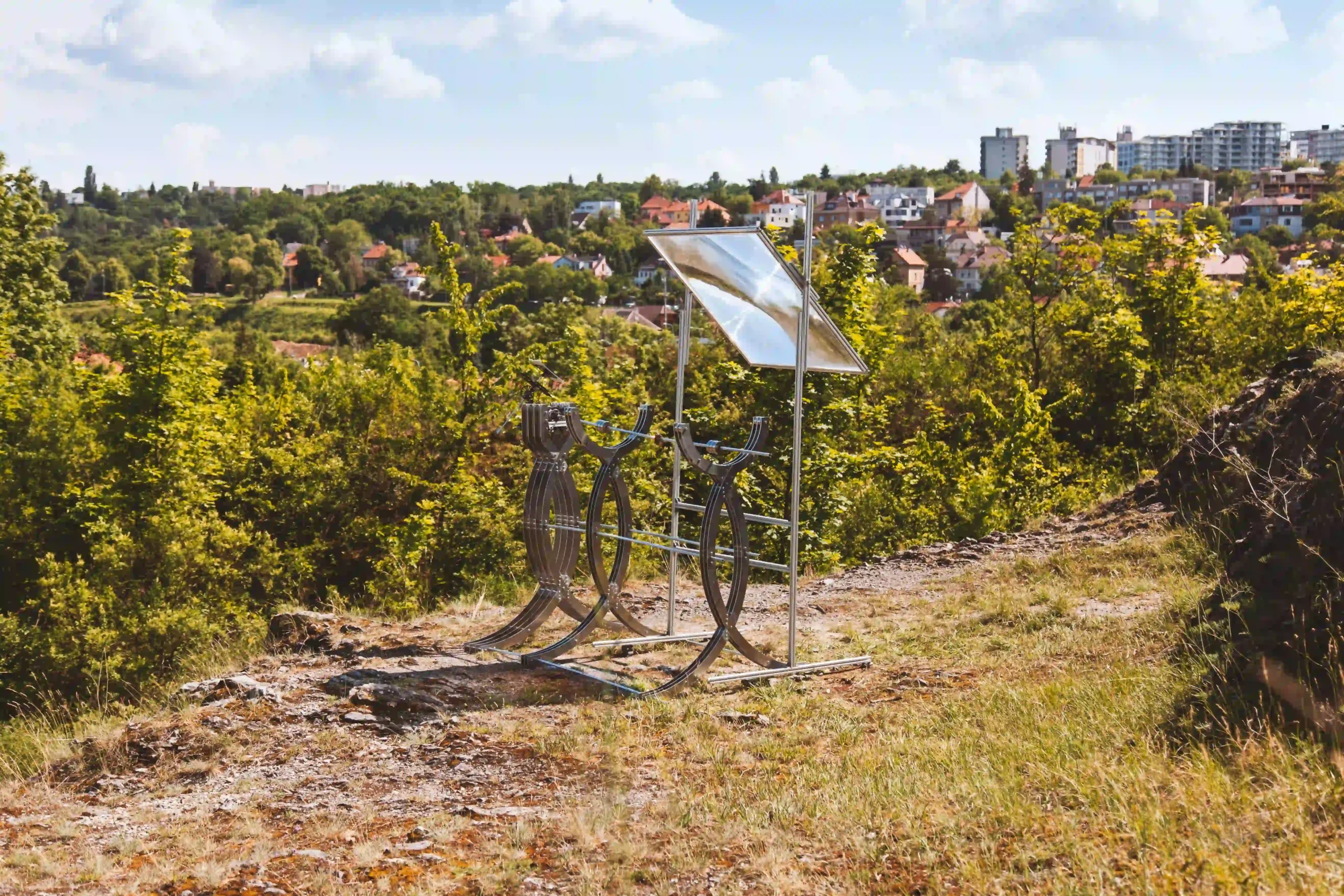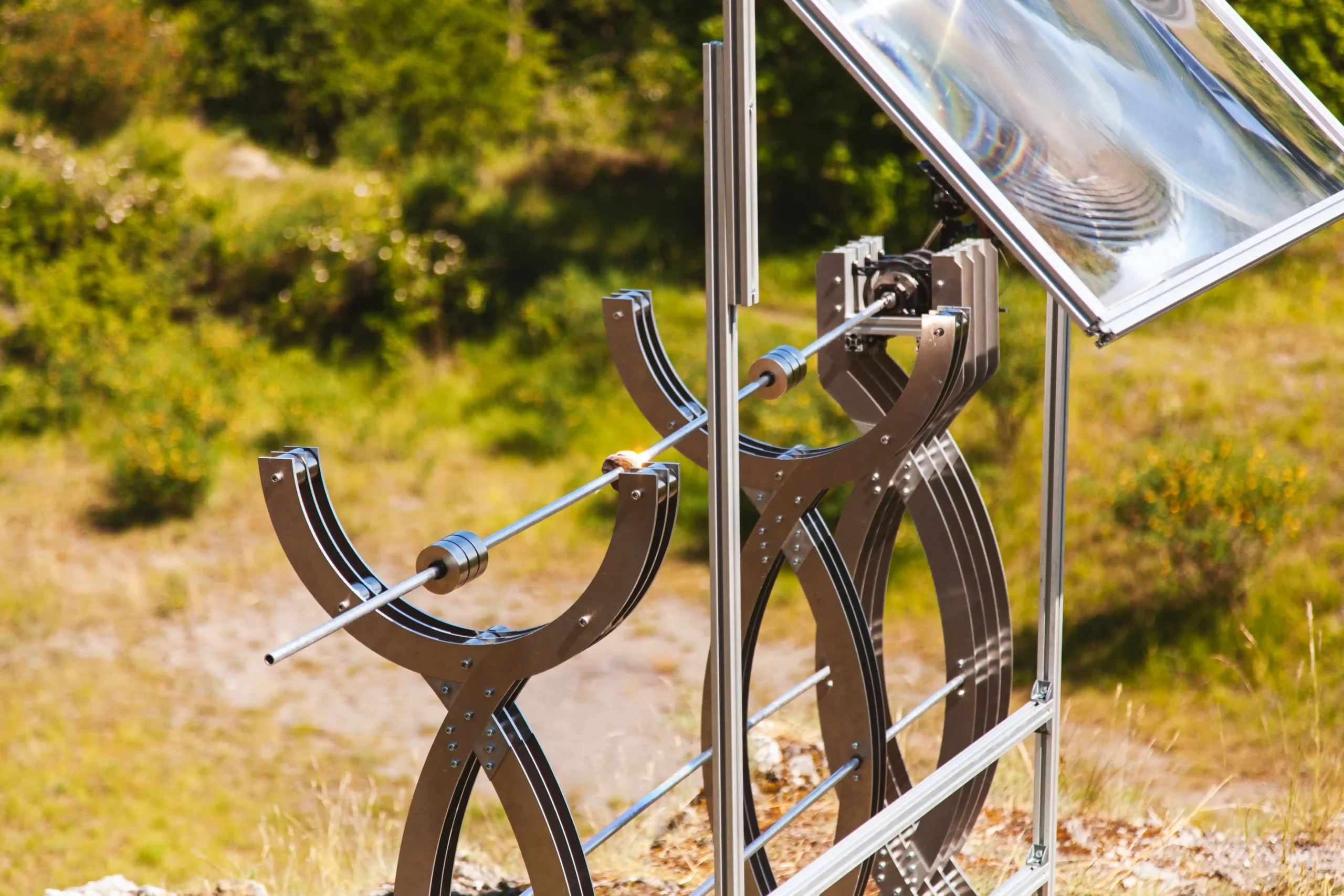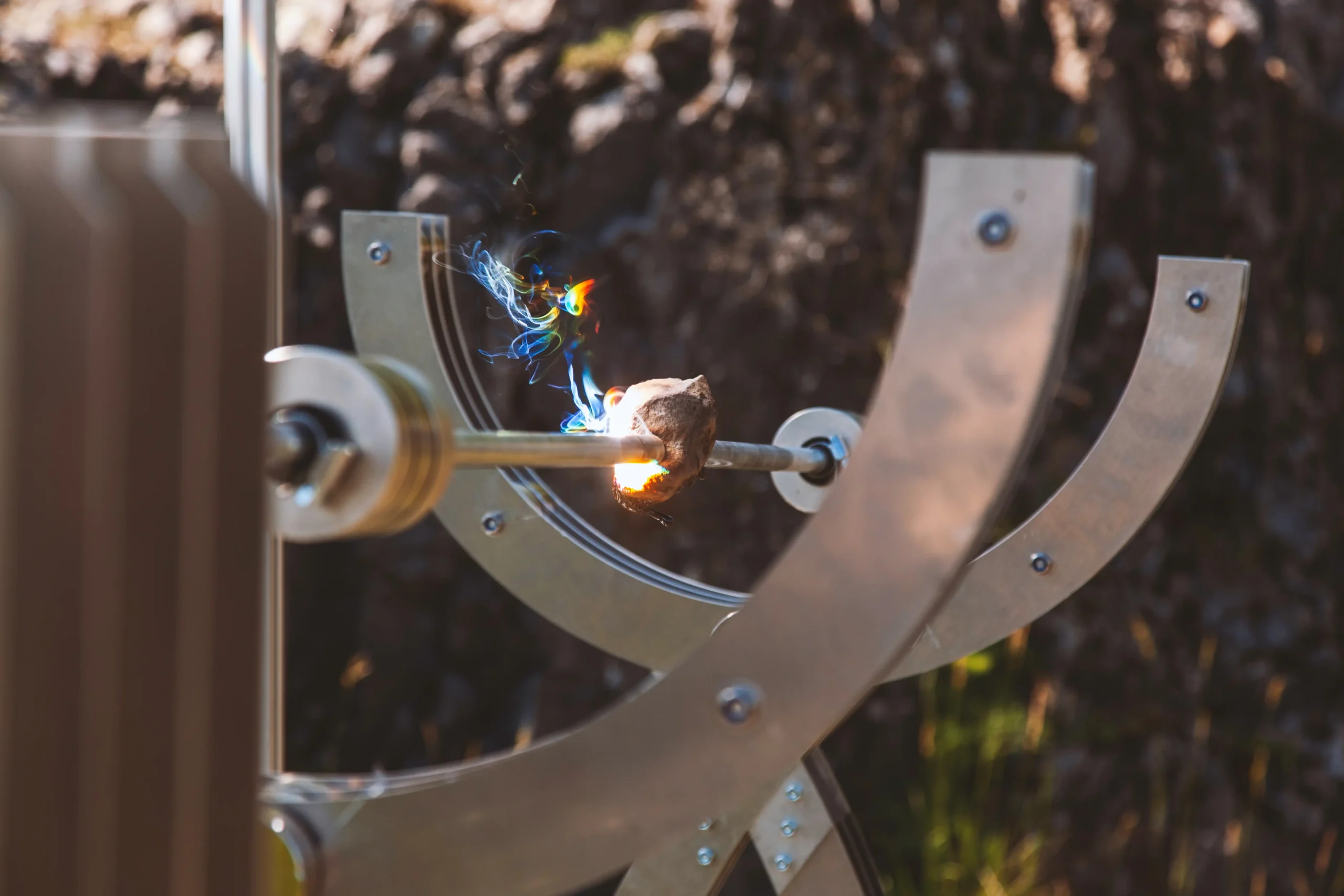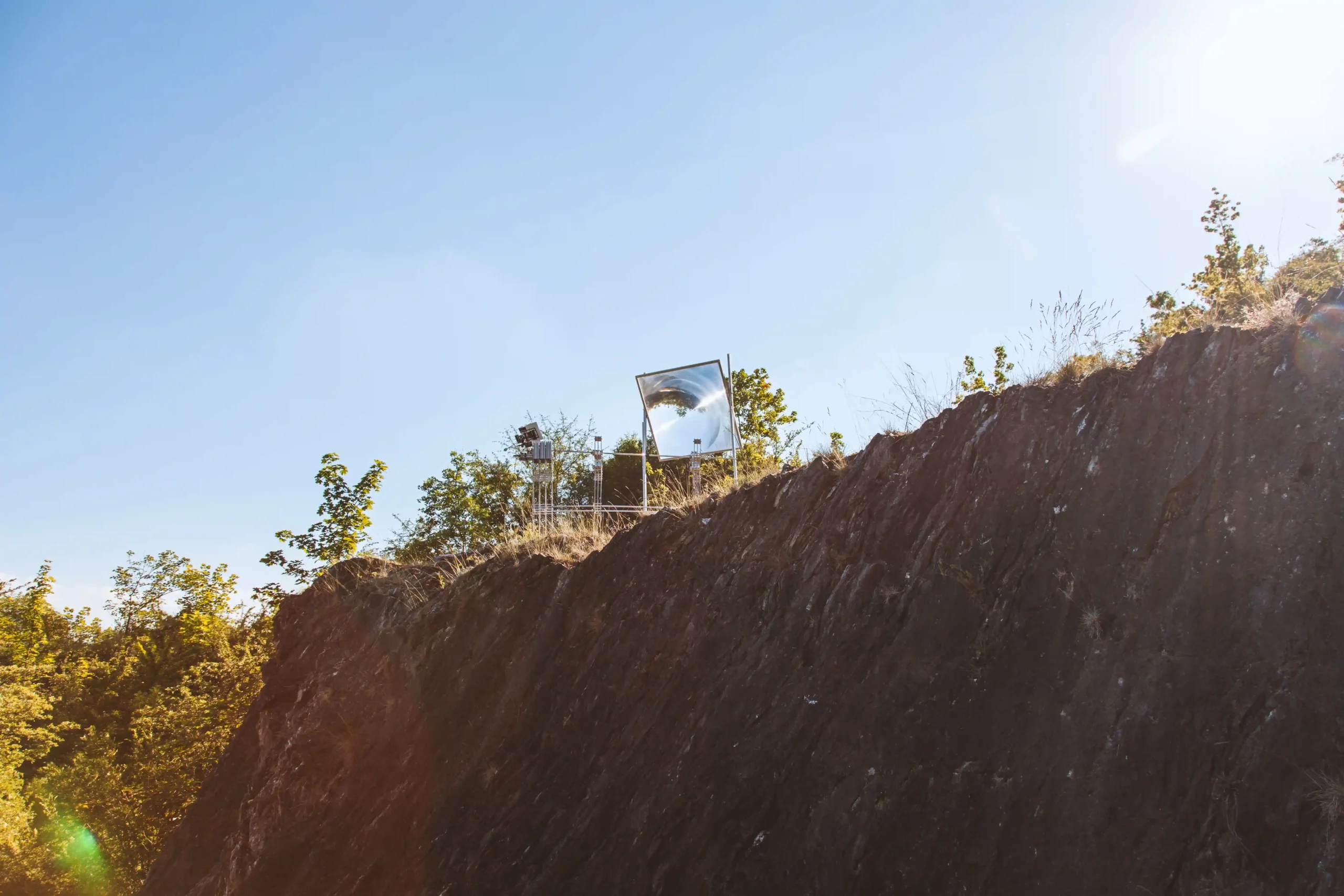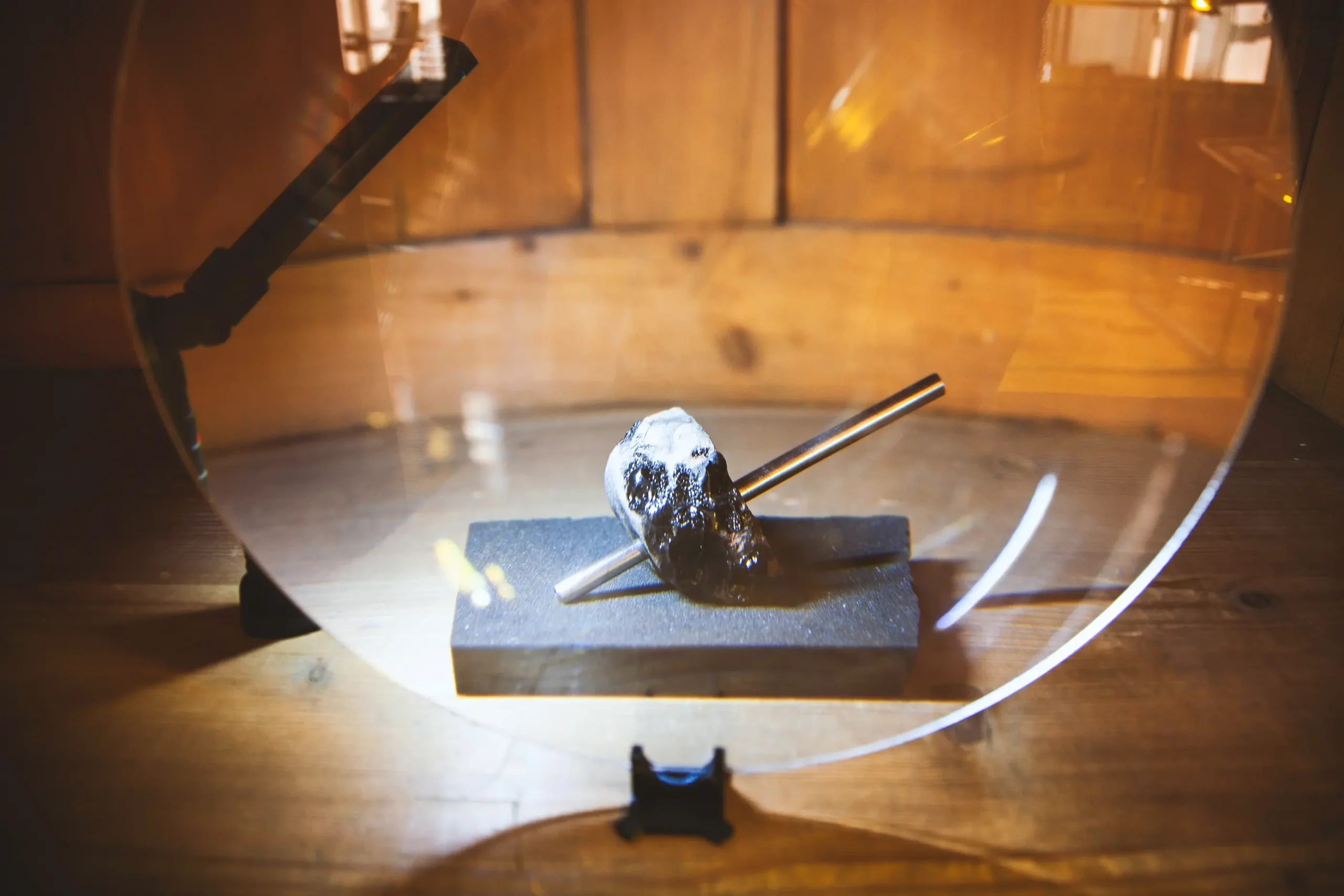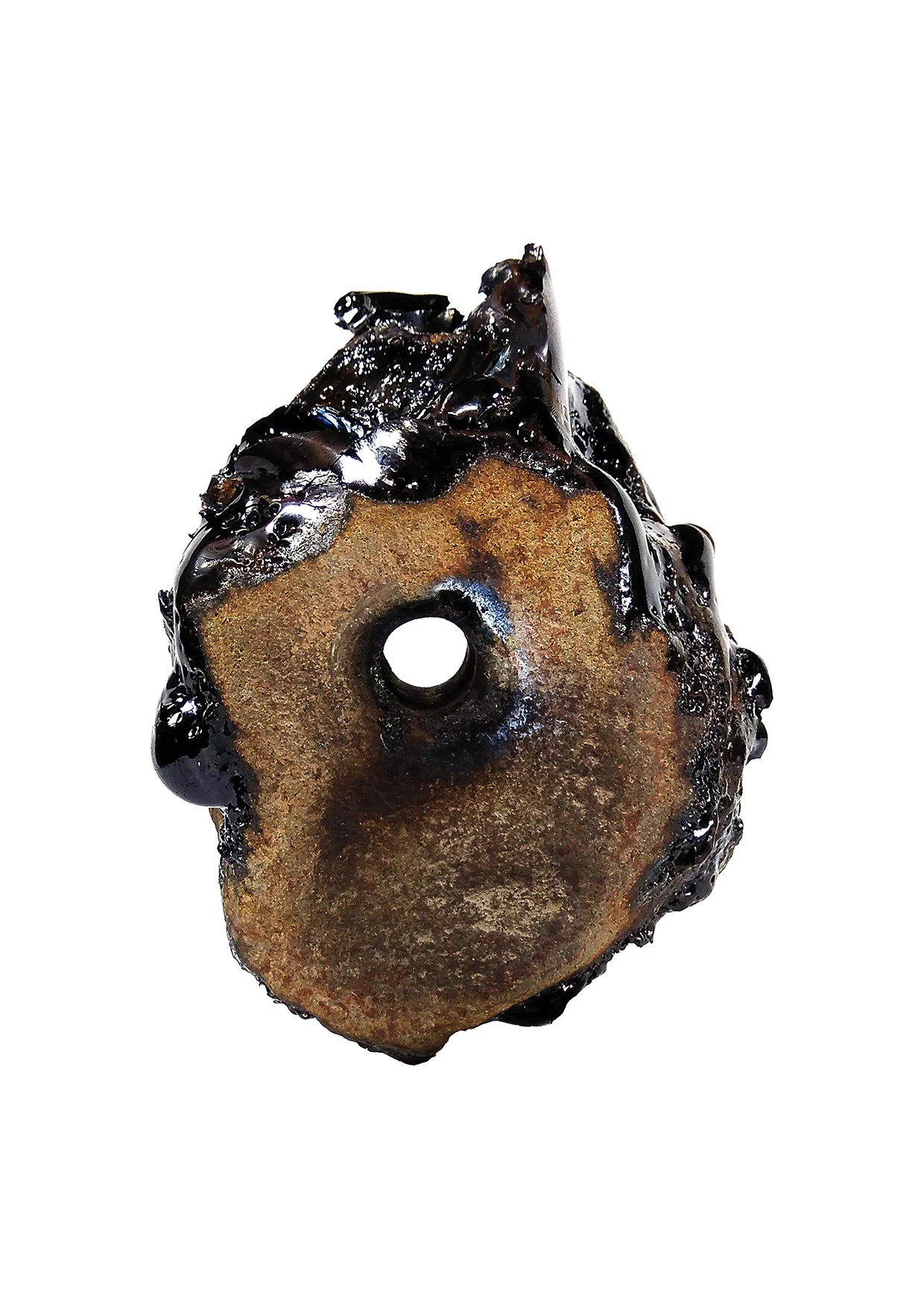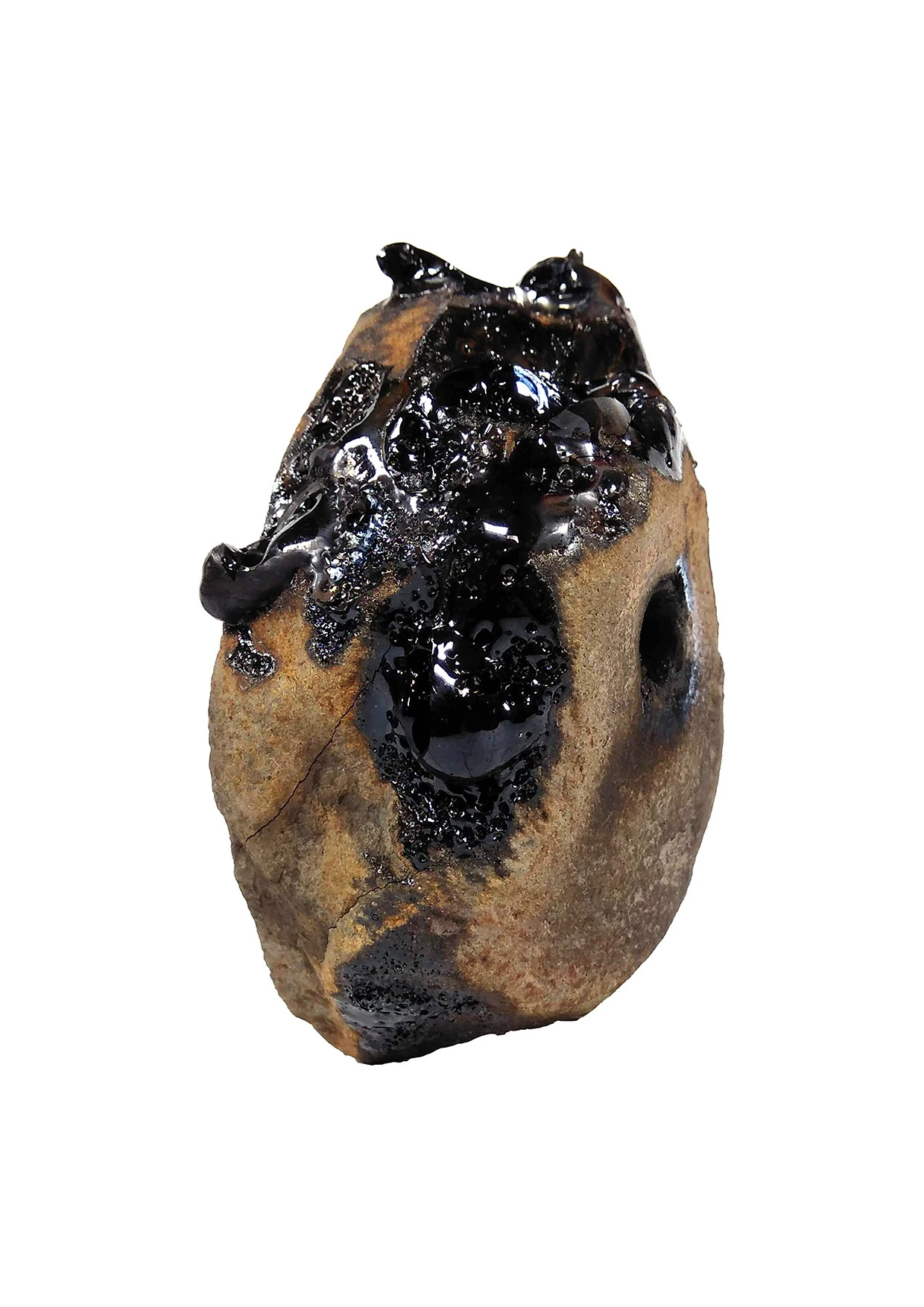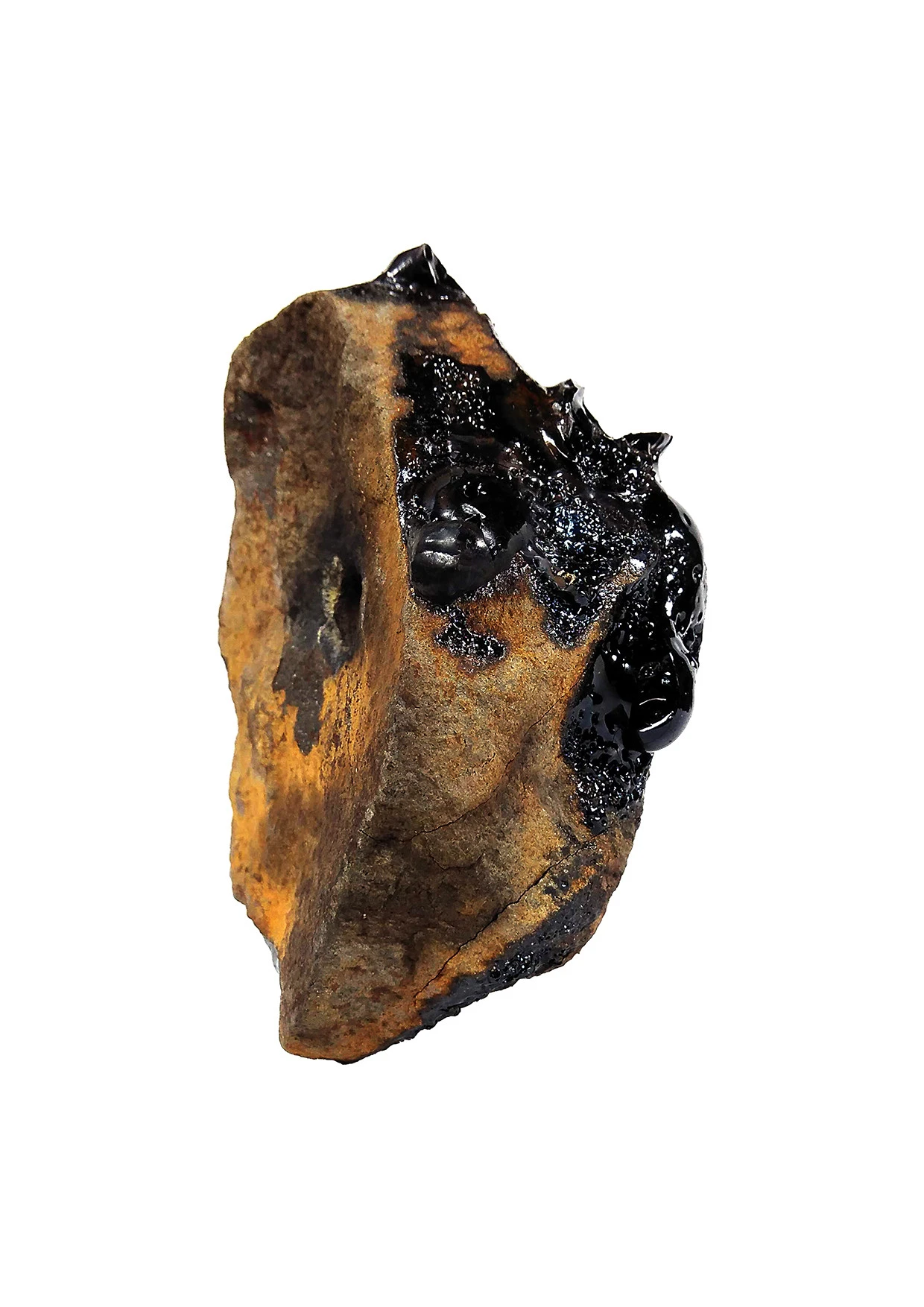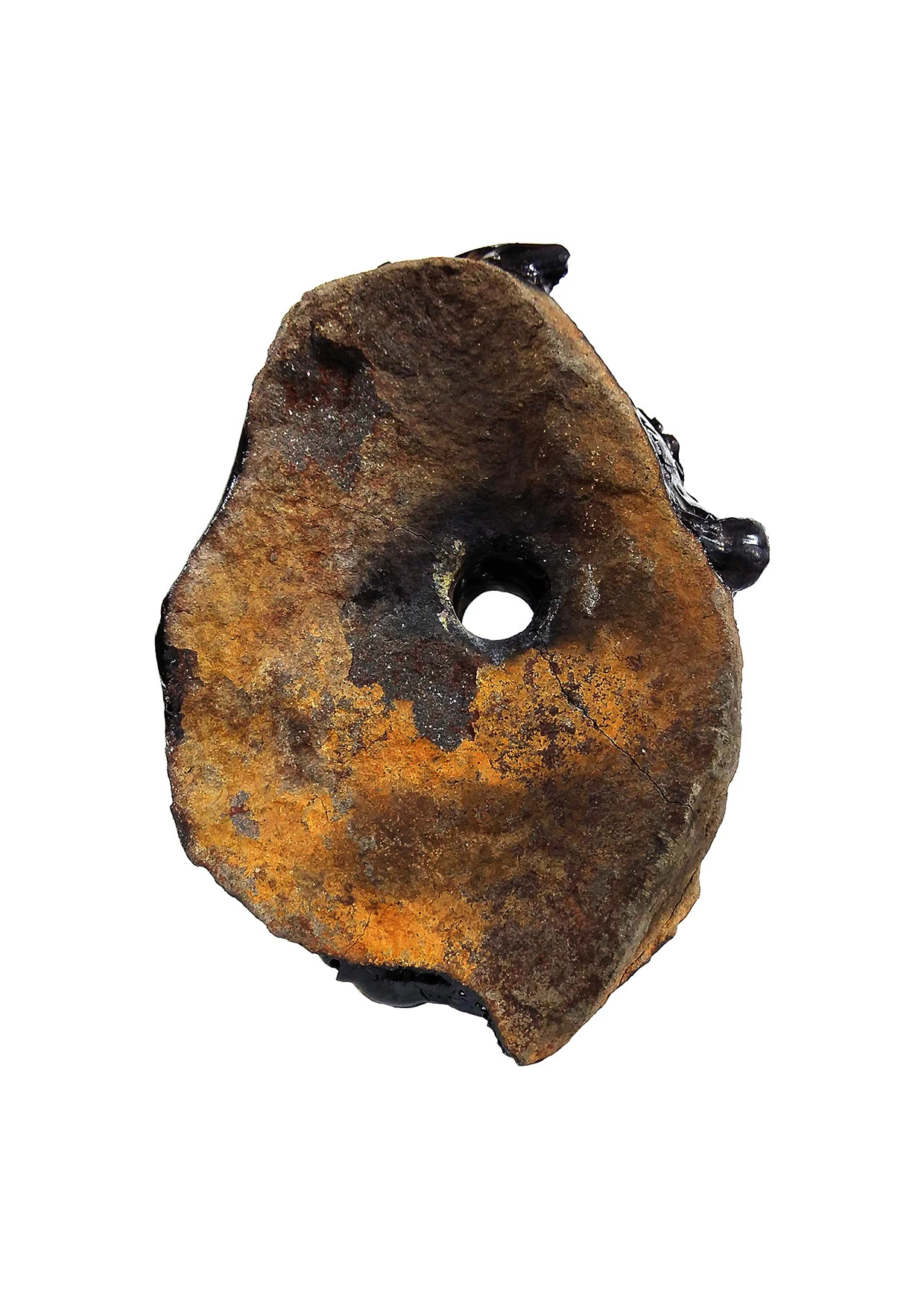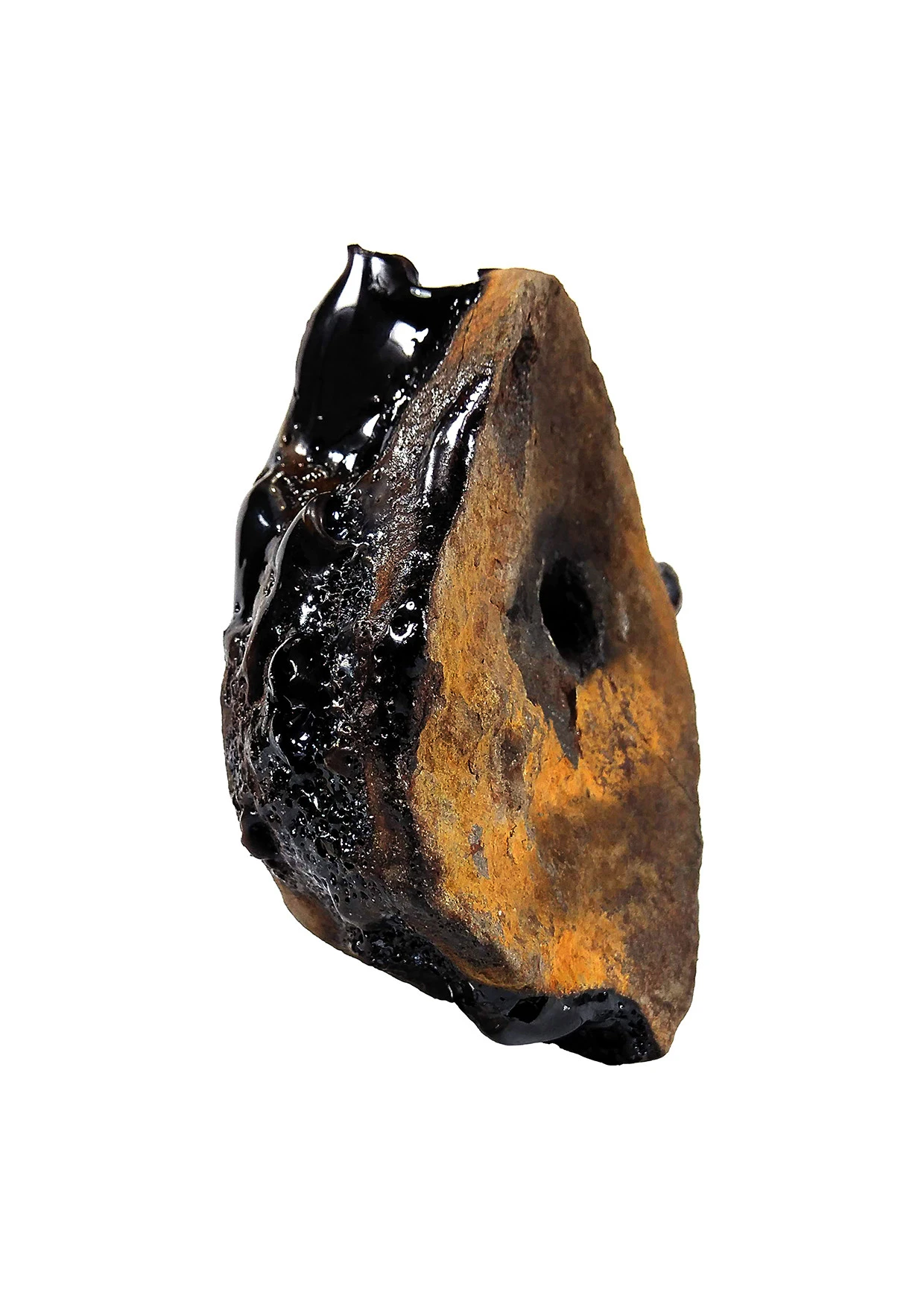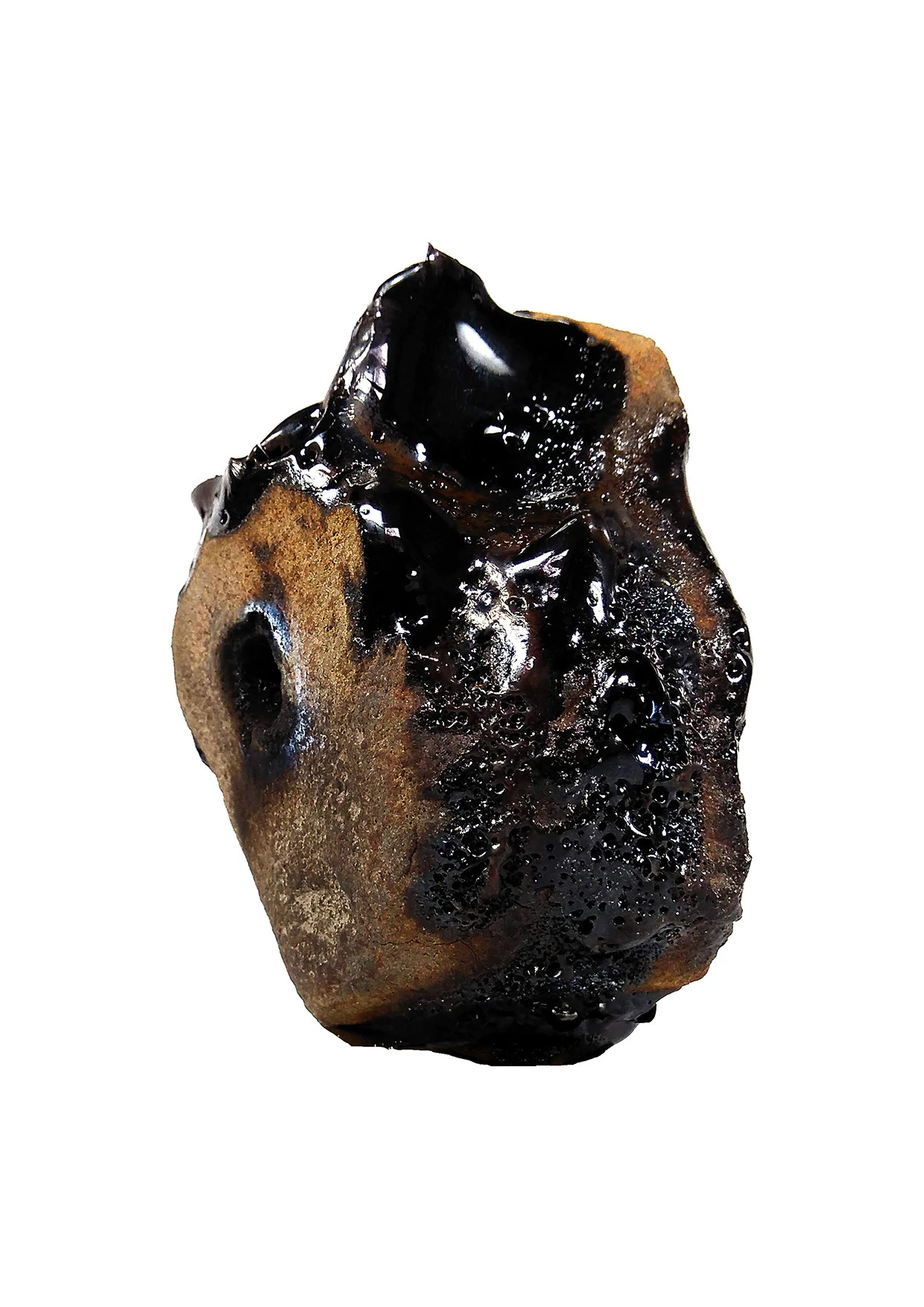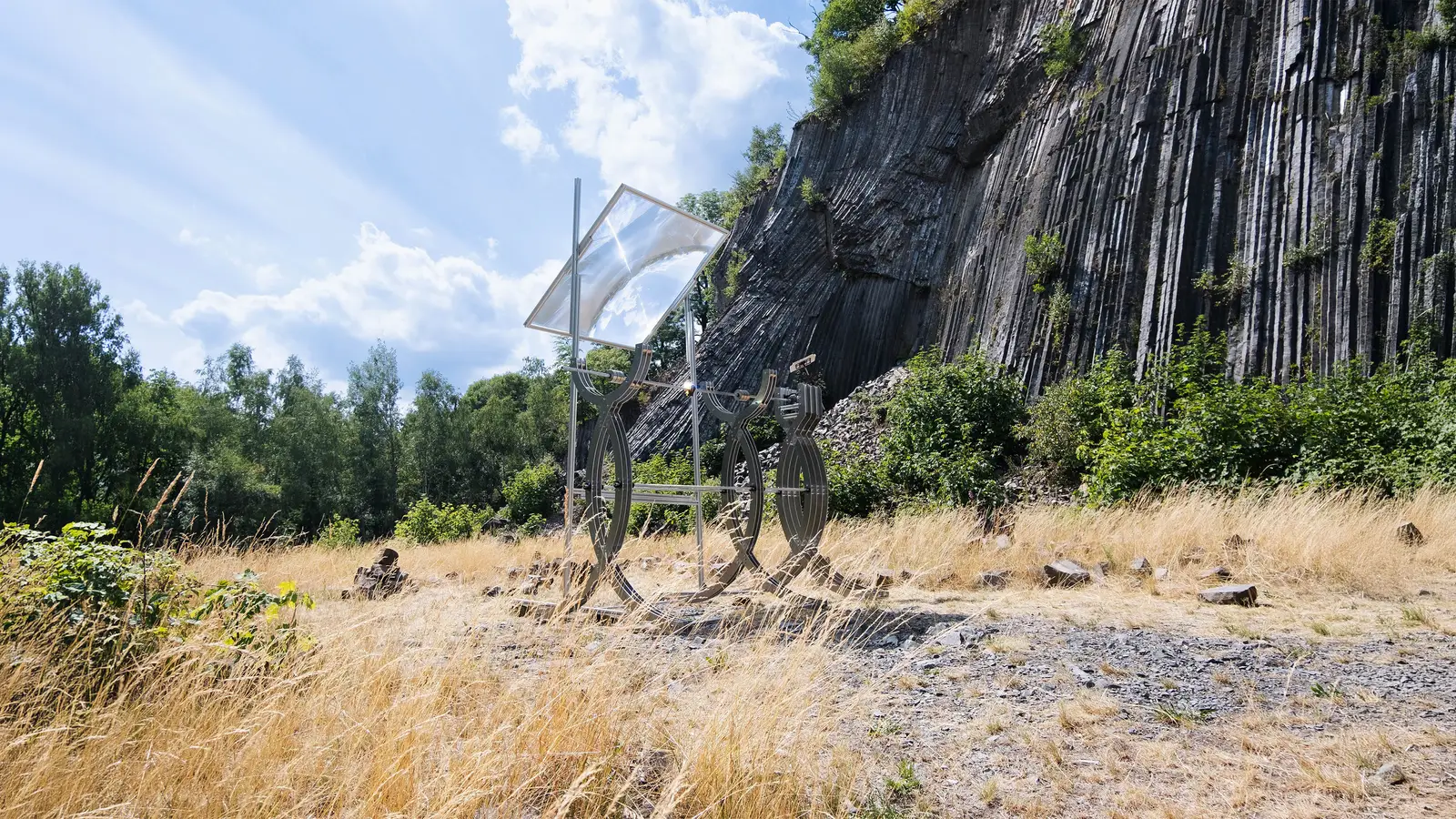
Multi-component, interactive installation: 3× giclée print with archival pigments on cotton, 3D printed aluminium frames (SLM), transparent LCD display, 4K video-essay.. High-performance workstation with CUDA acceleration. Print: Epson Stylus PRO 9900. 3D print: Prusa i3 MK3S+. Result is a continuous projection of water micro-world.
| Series | Magna Mutatio |
| ID | 2022-MM-LIS-01 |
| Date of origin | 4.3.2022 |
| Technique | Multi-component, interactive installation: 3× giclée print with archival pigments on cotton, 3D printed aluminium frames (SLM), transparent LCD display, 4K video-essay. |
| Dimensions | Site-specific, approx. 6000 × 3000 mm. 3D printed sculpture: 2000 × 500 × 10 mm. Print: 707 × 1000 mm. Display: 2090 × 790 × 60 mm. |
| Duration | Video loop: 8:30 min. Prints: static. |
| Software | HydroWeave Engine v1.0 (custom patch in TouchDesigner). Script TOP (Python), GLSL vector field + GPU particle system. |
| Hardware | High-performance workstation with CUDA acceleration. Print: Epson Stylus PRO 9900. 3D print: Prusa i3 MK3S+. |
| Data source | ESA Copernicus. Six-year time series of satellite data (multispectral and radar imagery) mapping environmental transformation of the Lisbon metropolitan area and the mouth of the Tagus River. |
| Interaction | Contemplative, comparative. Viewer engages in mental comparison of different media formats: static print, flowing video, ethereal display. |
| Location of origin | Artemis Gallery, Lisbon, Portugal (group exhibition „Mechanics Of Reality“) |
| Type of exhibition | Gallery installation |
| Curator | M. Mendonça, M. J. Teixeira |
| Photo | Author archive |
| Author of text | Kryštof Brůha |
| Key concepts | Media polyphony, data palimpsest, comparative perception, techno-fossil, material decay, archival formats |
| Text title | Magna Mutatio: Code of Ephemeral Geography |
| Date | Exhibition |
| 4.3.2022 | Mechanics Of Reality – Artemis Gallery, Lisbon |
| Series | Related works |
| Magna Mutatio | Magna Mutatio – Narrationem (2022) — video component of installation |
| Magna Mutatio | Magna Mutatio Flumen gen 2.0 (2022) — prints as part of installation |
| Magna Mutatio | Magna Mutatio – Tajo-Setubal (video) (2025) — same location, dataset evolution |
CONCEPT
Six years of satellite data from the Copernicus programme—multispectral and radar imagery of the Lisbon metropolitan area—constitute the raw material for Magna Mutatio. Following Kryštof Brůha’s methods, a recursive analysis reduces this environmental transformation to a fluid visual pulse: giclée prints on cotton, a transparent LCD display, and 3D-printed aluminum frames construct a space where data is not merely showcased, but actively transformed.
The giclée prints, with a resolution bordering on a holographic illusion, function as digital palimpsests, layering urban growth, the loss of vegetation, and the sedimentation of the Tagus River into an ephemeral archive. Here, the data does not decompose linearly, but oscillates between pixel granularity and metaphorical abstraction—much like tidal waves that leave only fleeting patterns upon the shoreline.
Transparent displays and 3D-printed aluminum frames form an unstable network of visual relations; glimpses into the urban organism reveal how algorithms recast geospatial records into kinetic models. Here, Diogo Gonçalves applies principles of fluid interpretation: interactive layers of AR projections transform the viewer into an active editor who can „prune“ timelines like a gardener thinning the crowns of trees. This data metabolism—a hybrid of machine analysis and artistic intuition—functions as a living ecosystem: each interaction rewrites the canon of observation, much like the wind reshapes the dunes.
The generative image comments on the illusion of permanence: even the seemingly static aluminum frames undergo oxidation, slowly shifting their tone through environmental exposure. In his writings, Kryštof Brůha points out that technology is not an instrument of preservation, but rather a medium of co-extinction. The exhibition thus reveals a paradox: the more meticulously we map reality, the more vividly we perceive its fragility. Just as a glacier melts under a microscope, digital representation dissolves under the weight of its own ambition.
In a broader context, Magna Mutatio mirrors our age—an obsession with capturing the transient through the transient. Translucent panels and generative graphics are not an archive, but a performance: they remind us that every attempt to fix time merely generates a new layer of temporal noise. The combination of organic materials and machine precision is not a solution here, but a question: what price do we pay for reducing reality to an ephemeral code? Like the Tagus River carrying sediment to the ocean, data vanishes into the abyss of history—leaving only an algorithmic footprint that persists like a fossil within the digital substrate.
GALLERY