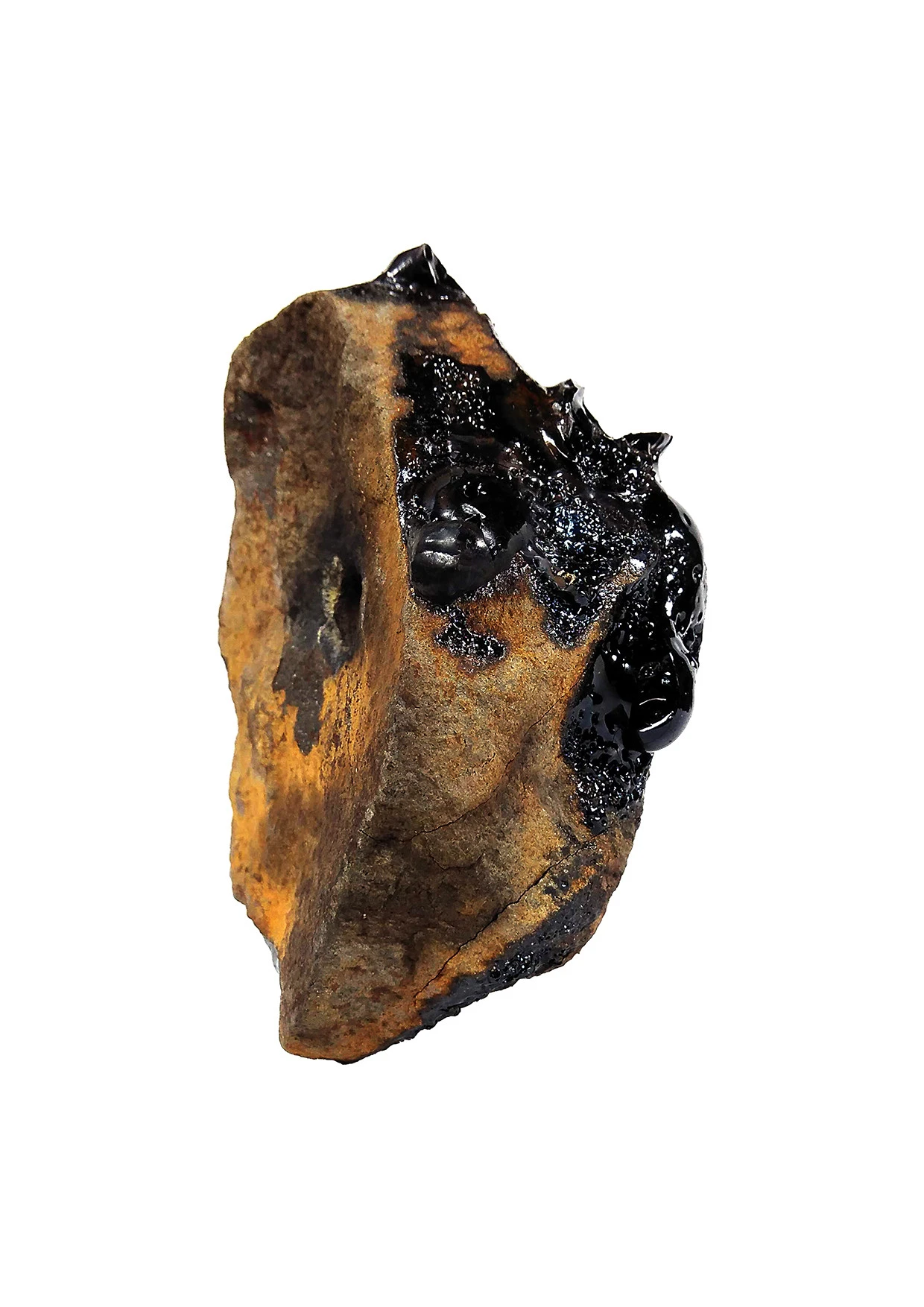
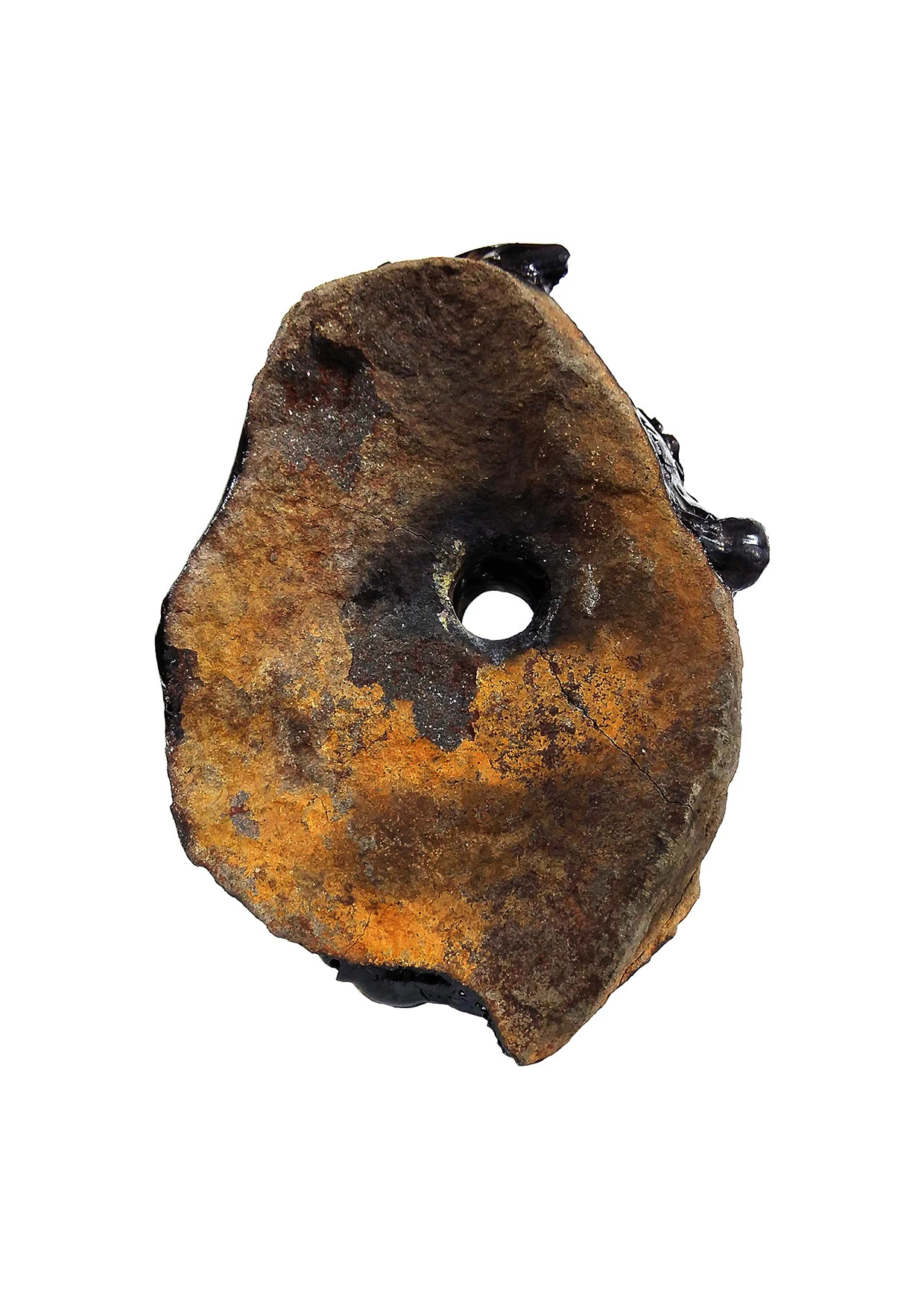
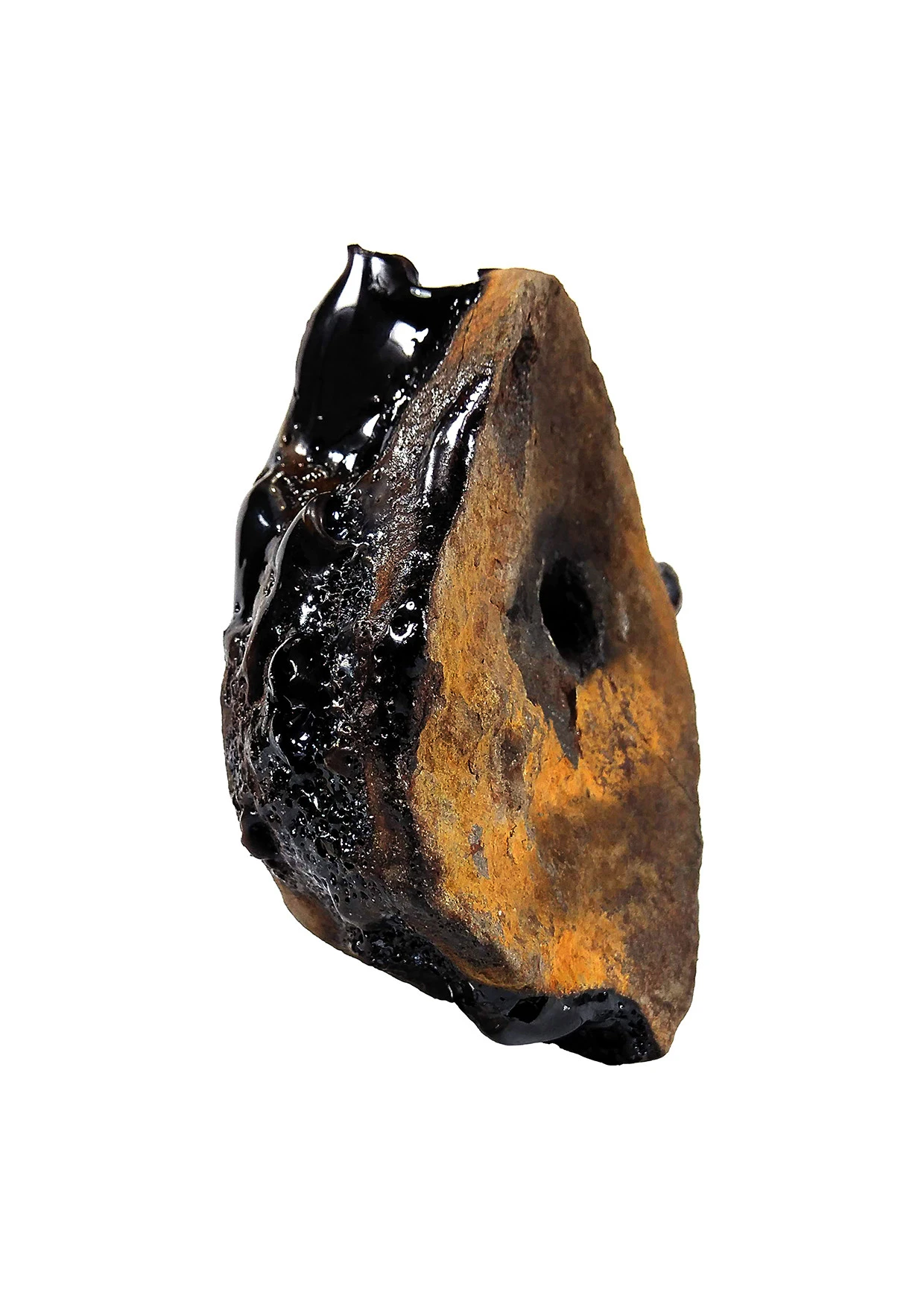
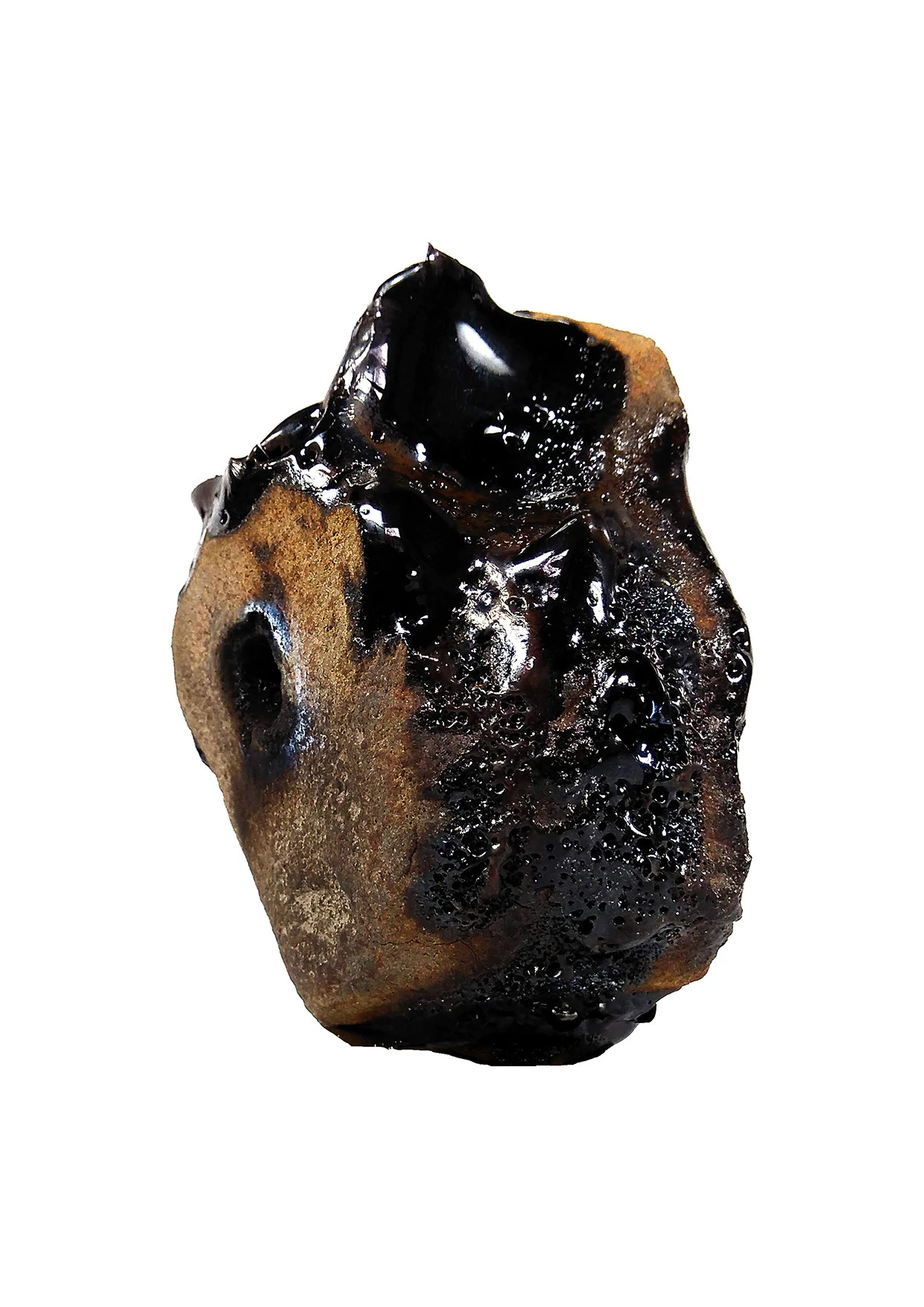
Generative video, 4K, single-channel. High-performance workstation (NVIDIA RTX series) Result is a continuous projection of water micro-world.
BASIC INFORMATION
TECHNICAL SPECIFICATION
CONTEXT AND ORIGIN
ARTWORK CONCEPT
EXHIBITIONS
CONNECTIONS
Series
Magna Mutatio
ID
2022-MM-NAT-01
Date of origin
9.9.2022
Technique
Generative video, 4K, single-channel
Dimensions
4K, single-channel
Duration
00:02:22
Software
EcoGenesis Engine v1.0 — Custom patch in TouchDesigner. Iterative feedback loop for processing satellite data (ESA).
Hardware
High-performance workstation (NVIDIA RTX series)
Data source
ESA Sentinel-2, multispectral data. Analysis of time series of chlorophyll-a concentration, phycocyanin, and salinity index in the northern part of Lake Natron, Tanzania.
Interaction
None direct. Generative, data-driven.
Location of origin
Galerie Artefin, Prague; Artefin NFT marketplace
Type of exhibition
Gallery installation
Collection
Artefin NFT marketplace
Photo
Author archive
Author of text
Kryštof Brůha
Key concepts
Biological pixel, liquid archive, data metabolism, fragility of record, digital mandala, tectonics of remembrance
The fluid interpolation of spatiotemporal layers transforms ESA multispectral data from Lake Natron in Tanzania into generative graphics. Each pixel is a dynamic link in the chain between geological memory and algorithmic interpretation; monthly changes in salinity and cyanobacterial colonies are compressed into pulsating visual cycles. Data born from orbital sensors exist as fractal patterns and dissolve into a gradient of digital noise.
The color red—spanning from the microscopic pigments of cyanobacteria to the satellite-captured „bloody lake“—serves as a material metaphor for fragile resilience. Surviving in extreme pH levels, cyanobacteria create an organic pigment system parallel to digital recording, with their colonies functioning as biological pixels (inspired by Hana Janečková’s theory of adaptive systems). Here, color is not a mere attribute, but a metabolic trace, reflecting both the chemical equilibrium of the water and the limits of human perception. Red permeates the work as a living archive—transience materializes into a hue that fades with each iteration of the algorithm.
The interaction between the micro- and macro-scales creates an unstable network of visual relations. Flamingos, whose pink plumage is a reflection of the food chain tied to cyanobacteria, become moving dots within an algorithmic score; their migration synchronizes biological rhythms with the pulse of the data visualization. The viewer oscillates between the perspectives of the satellite and the bacterial colony, between thermal maps and organic textures. The work functions as a data metabolism: it digests raw numbers from space probes and secretes a visual essence—time here is not a linear flow, but a layered sediment.
We capture the evaporation of the lake and the migration of the flamingos, yet the technology itself is subject to the same transience. Satellite images are temporary records in the ocean of cloud storage—as fragile as cyanobacterial colonies in extreme pH. Lake Natron becomes a memento: every representation repeats the cycle of birth and decay.