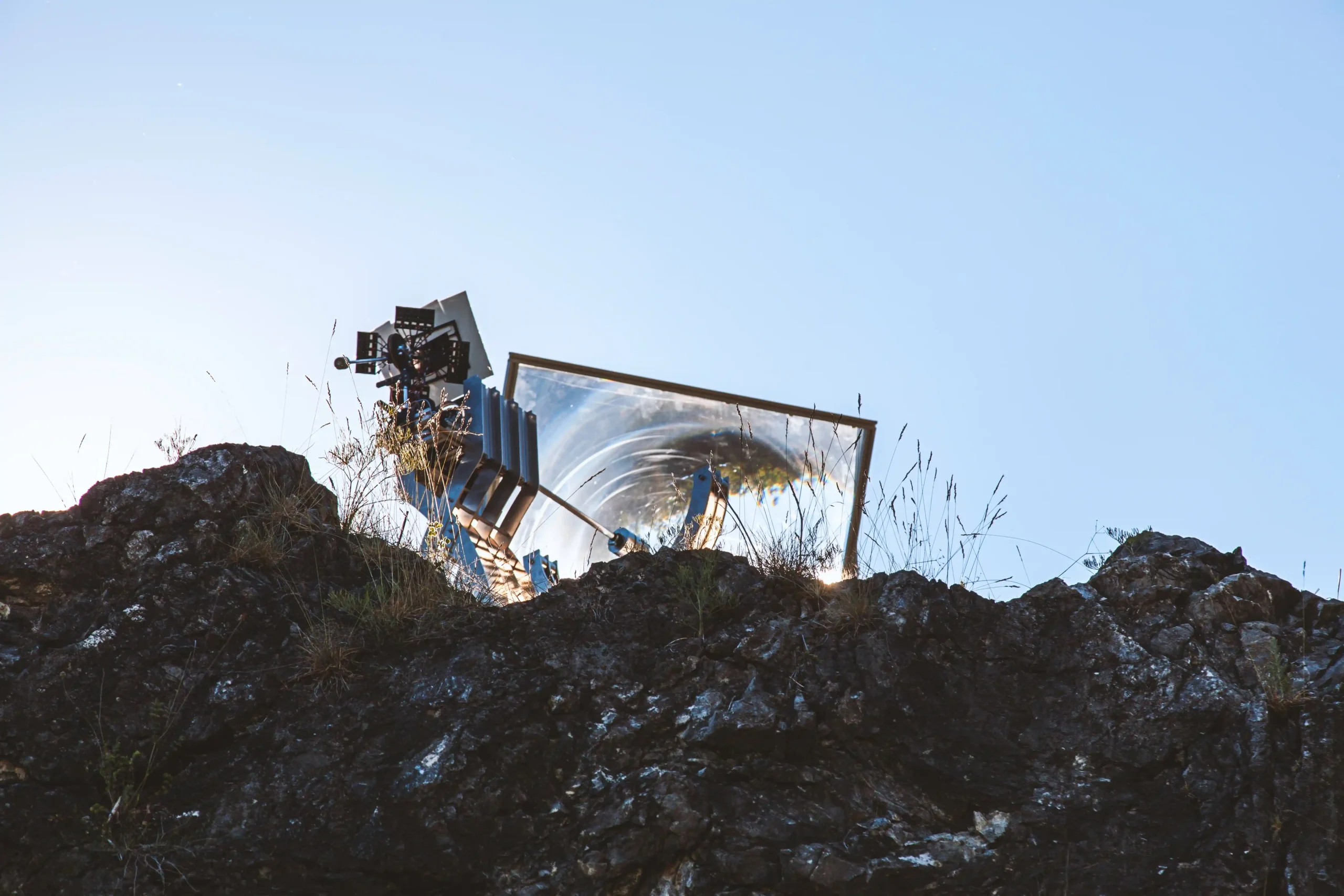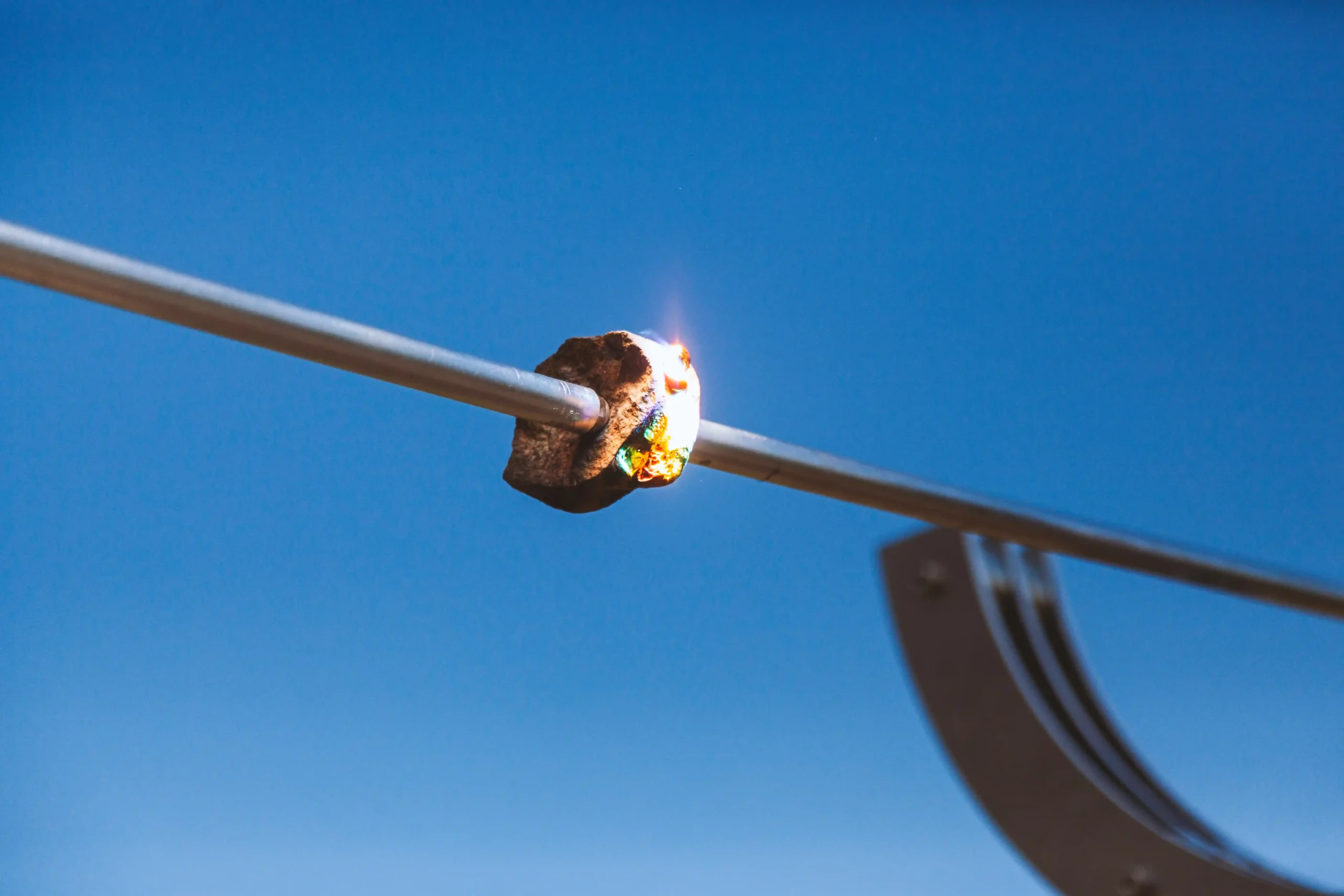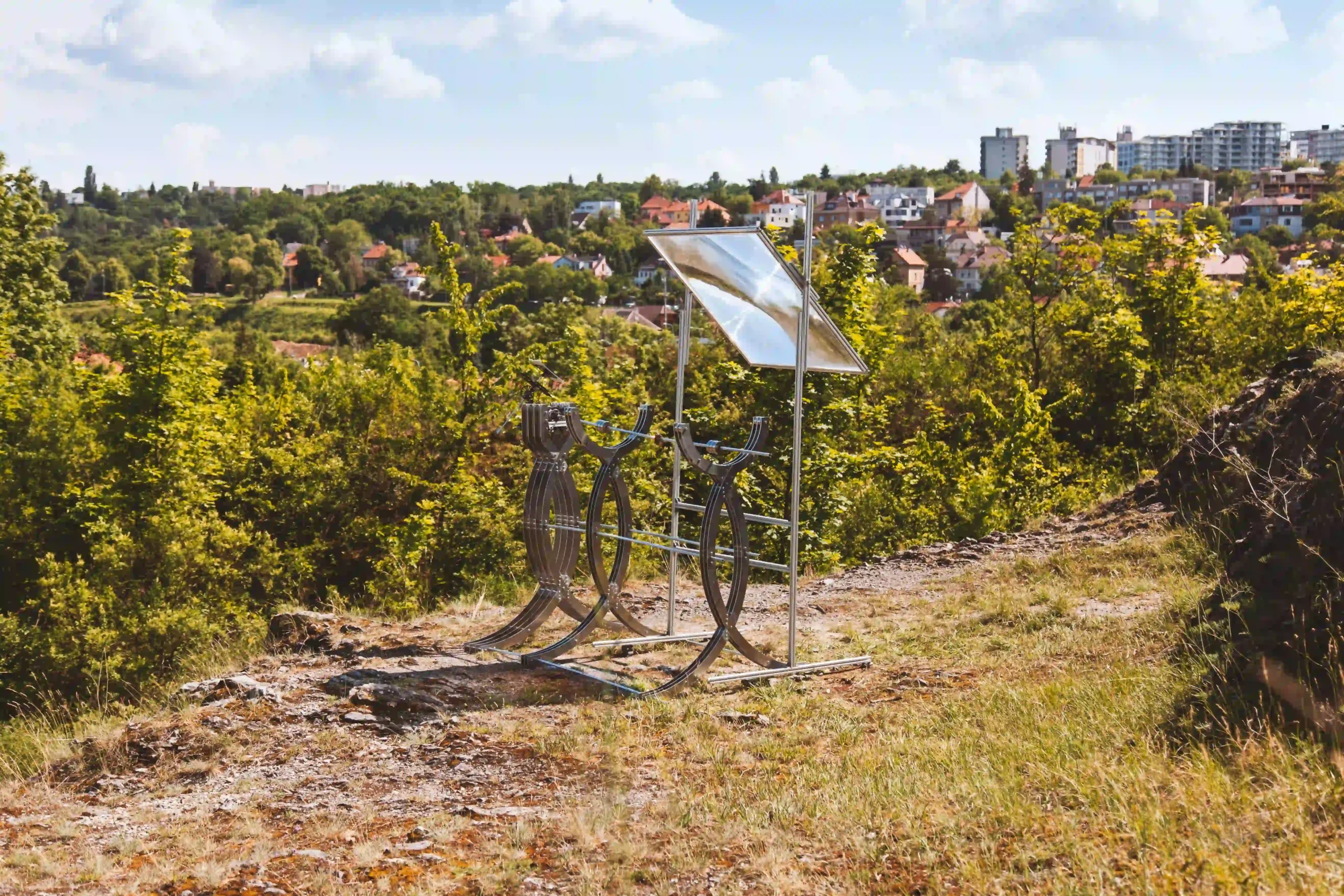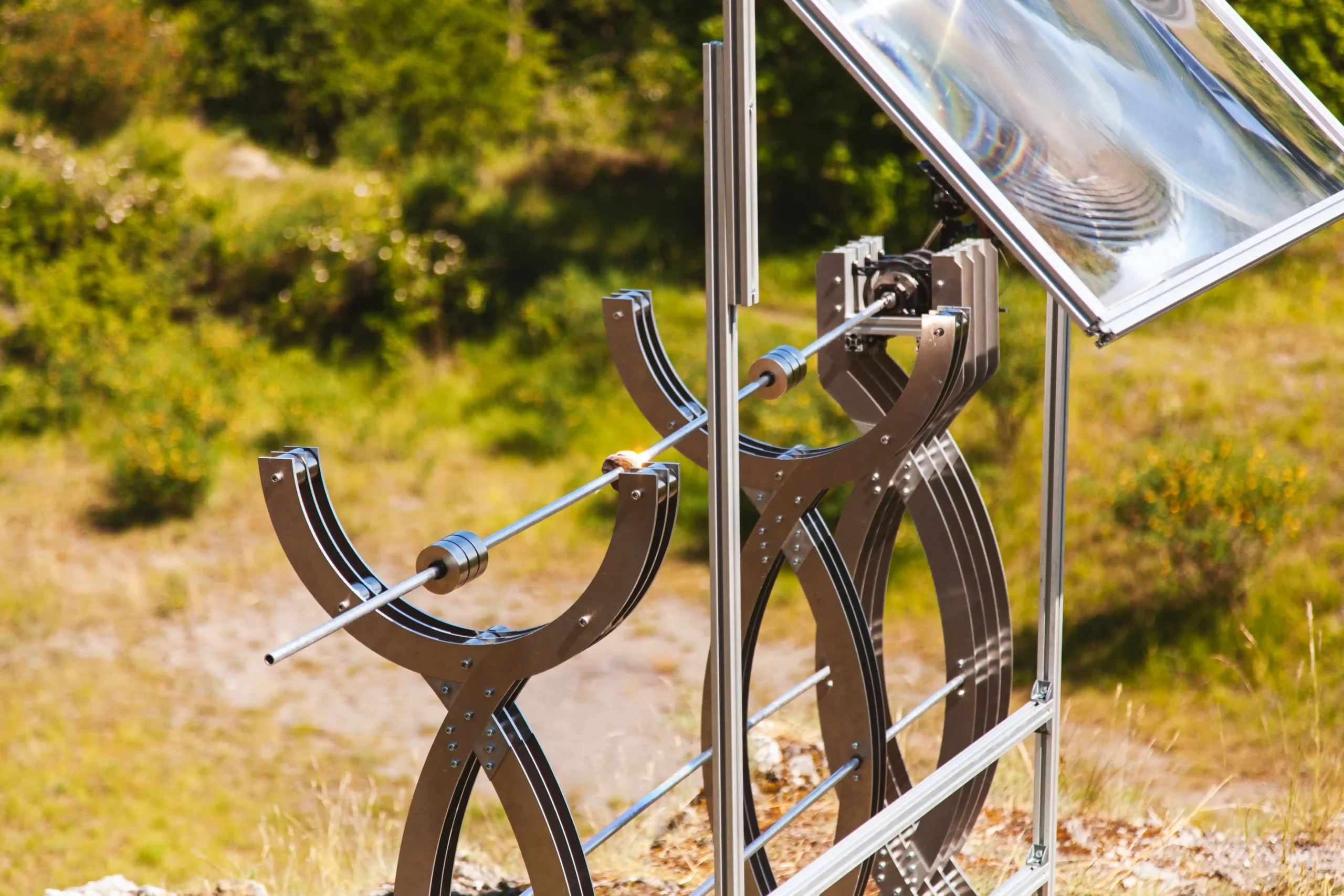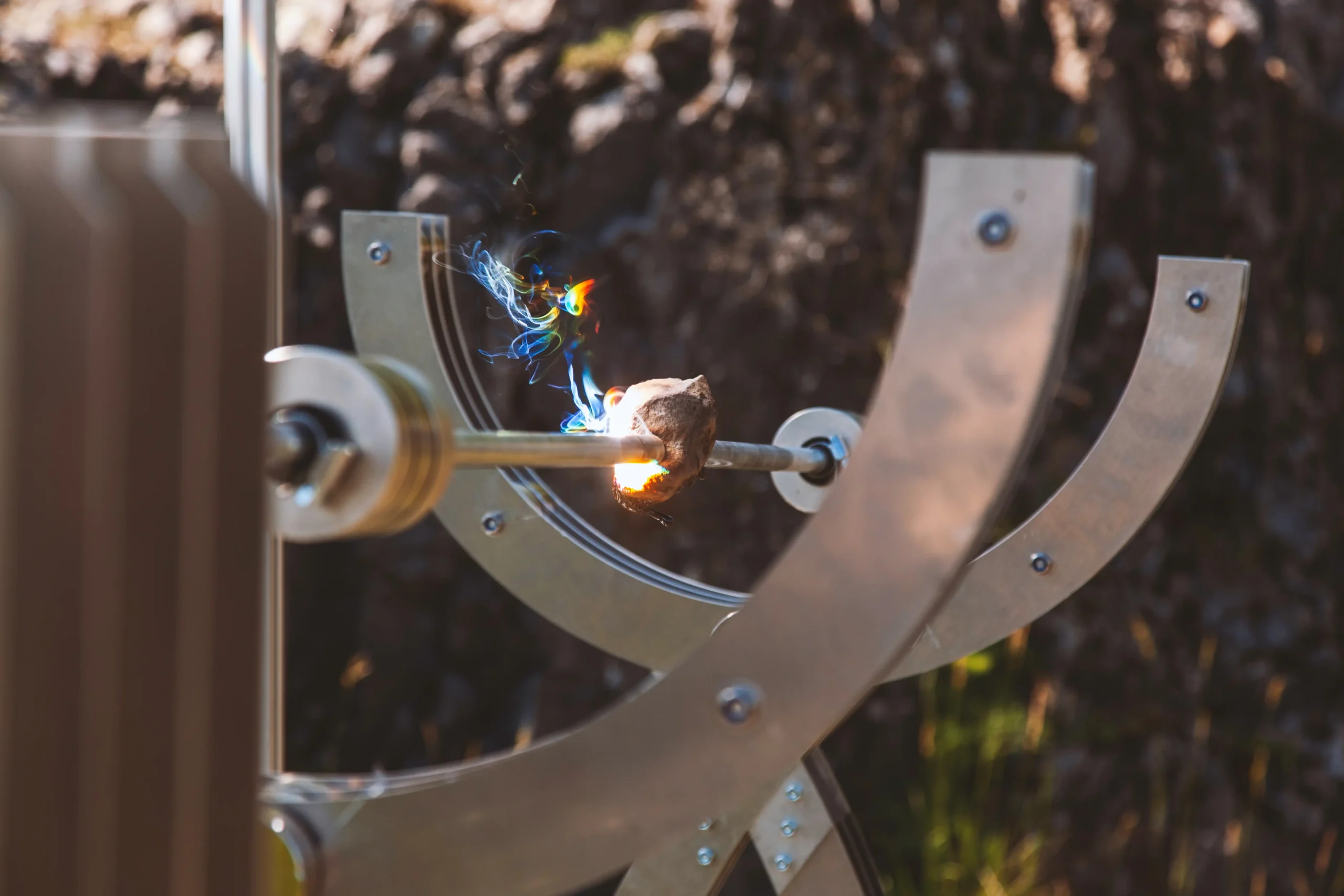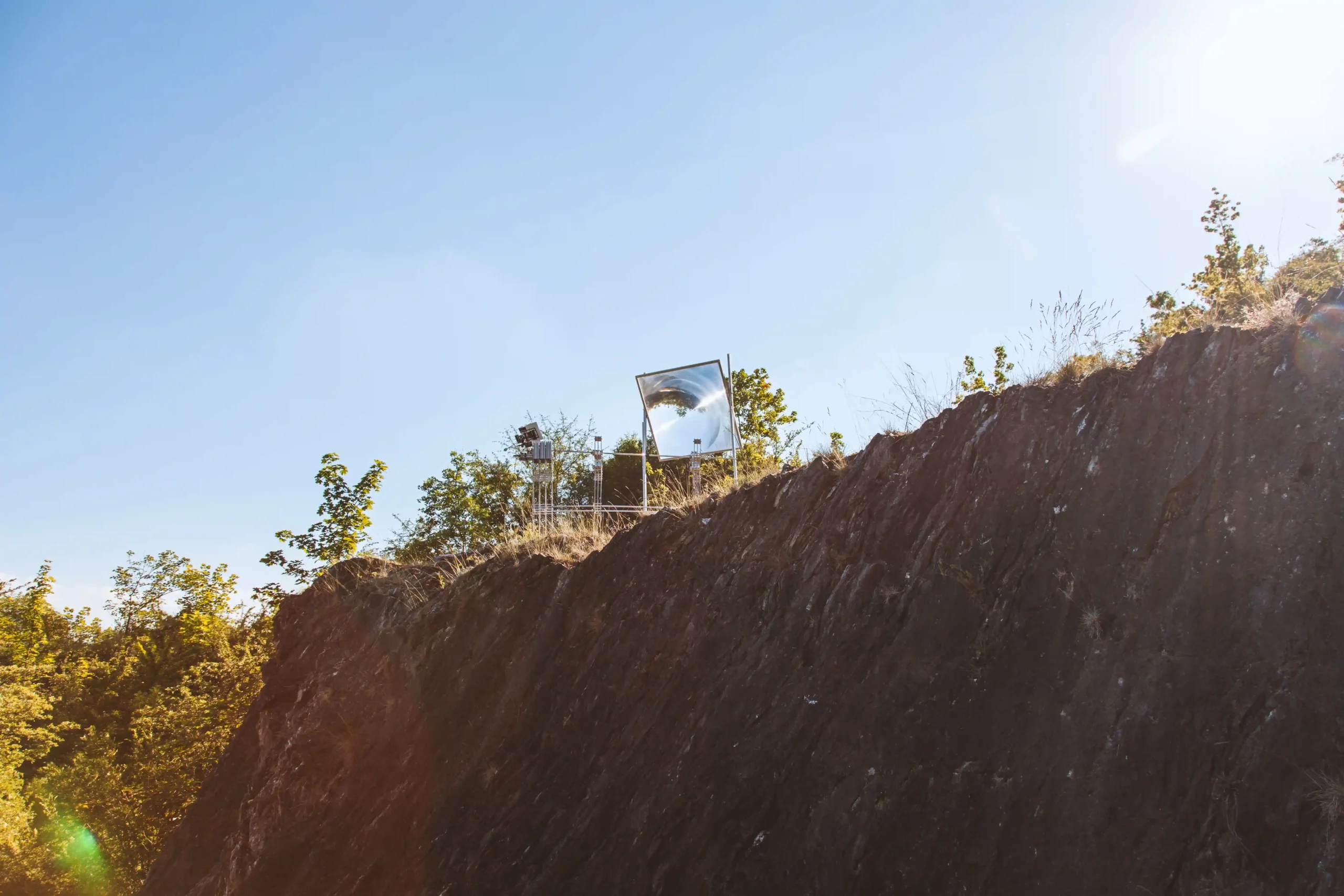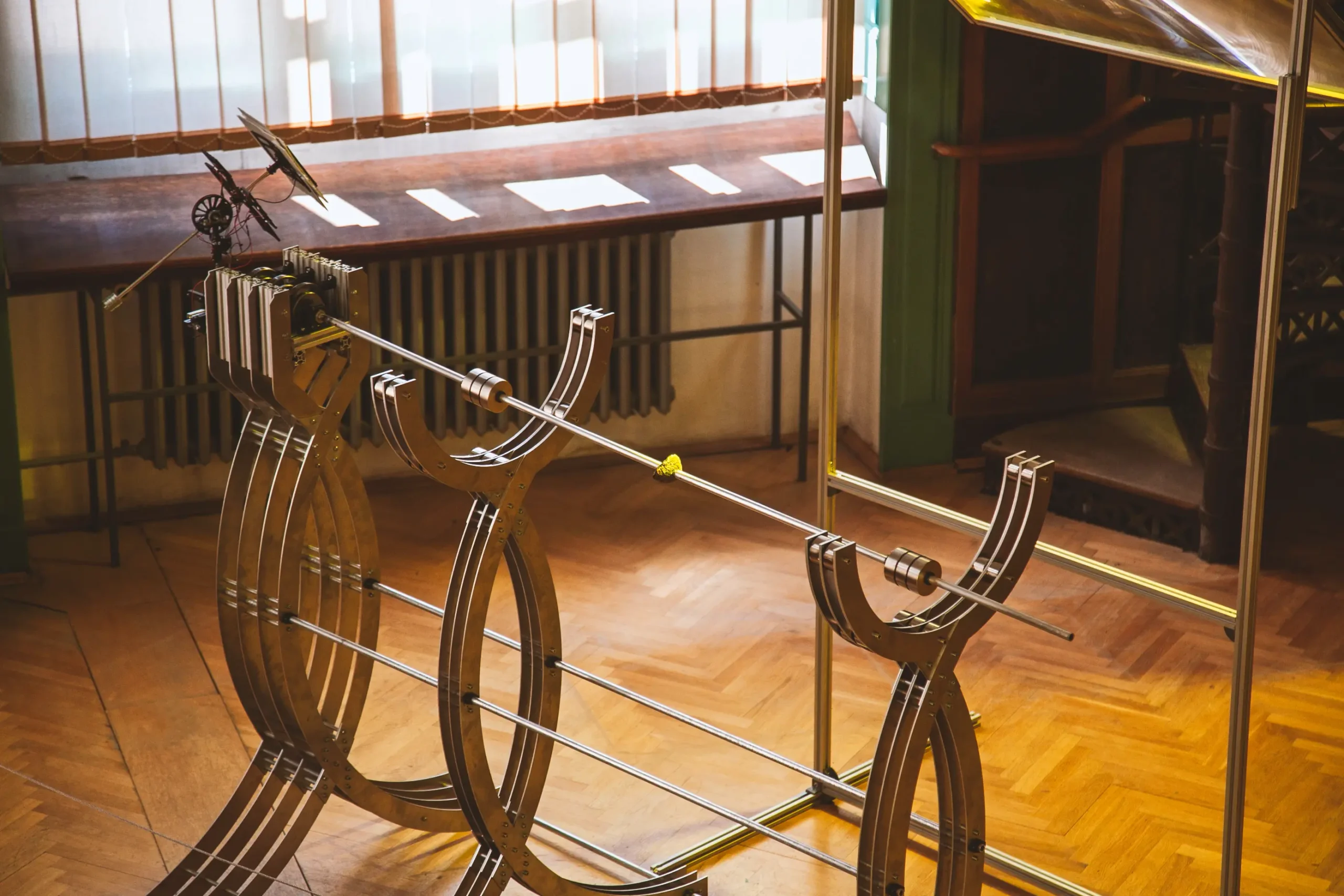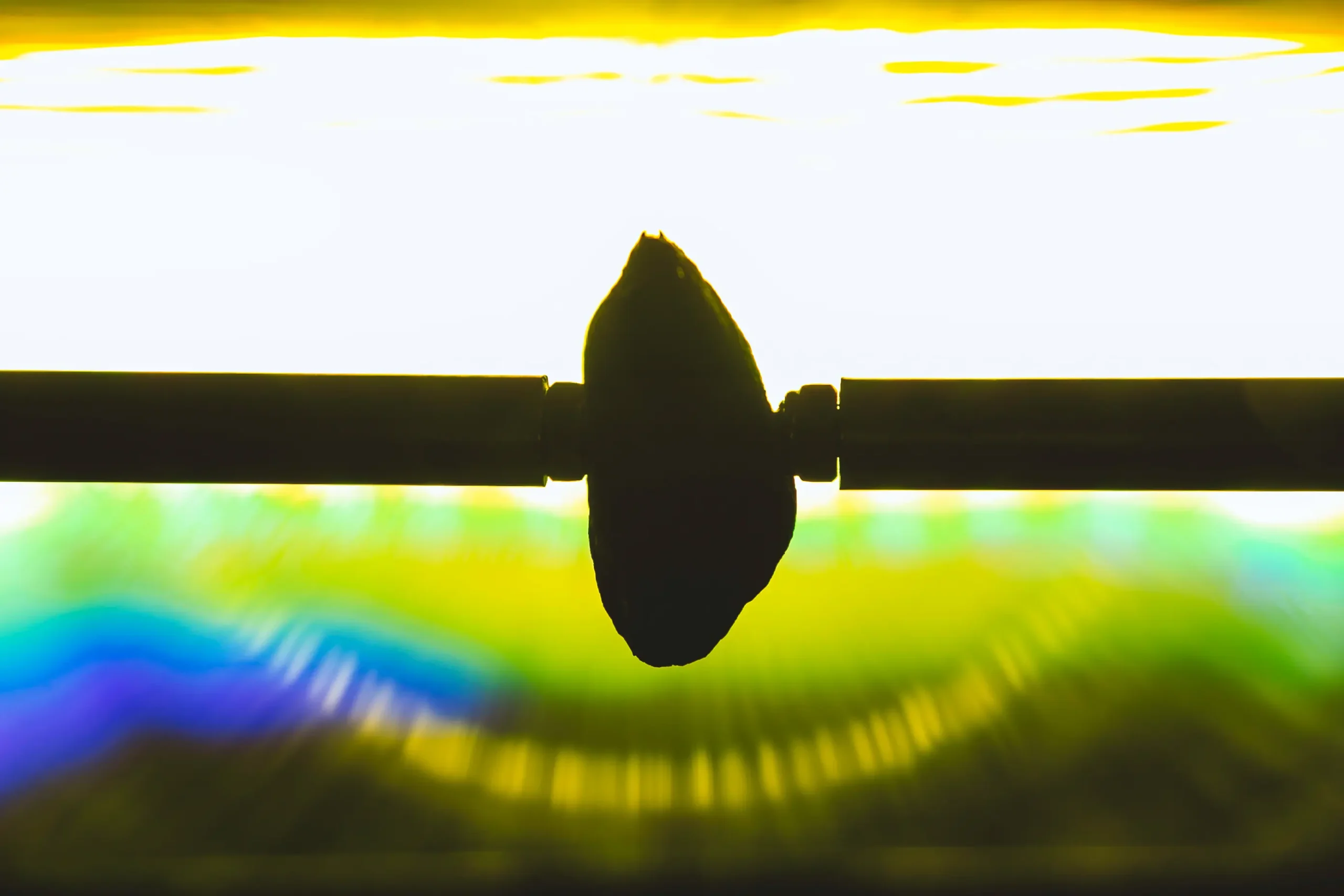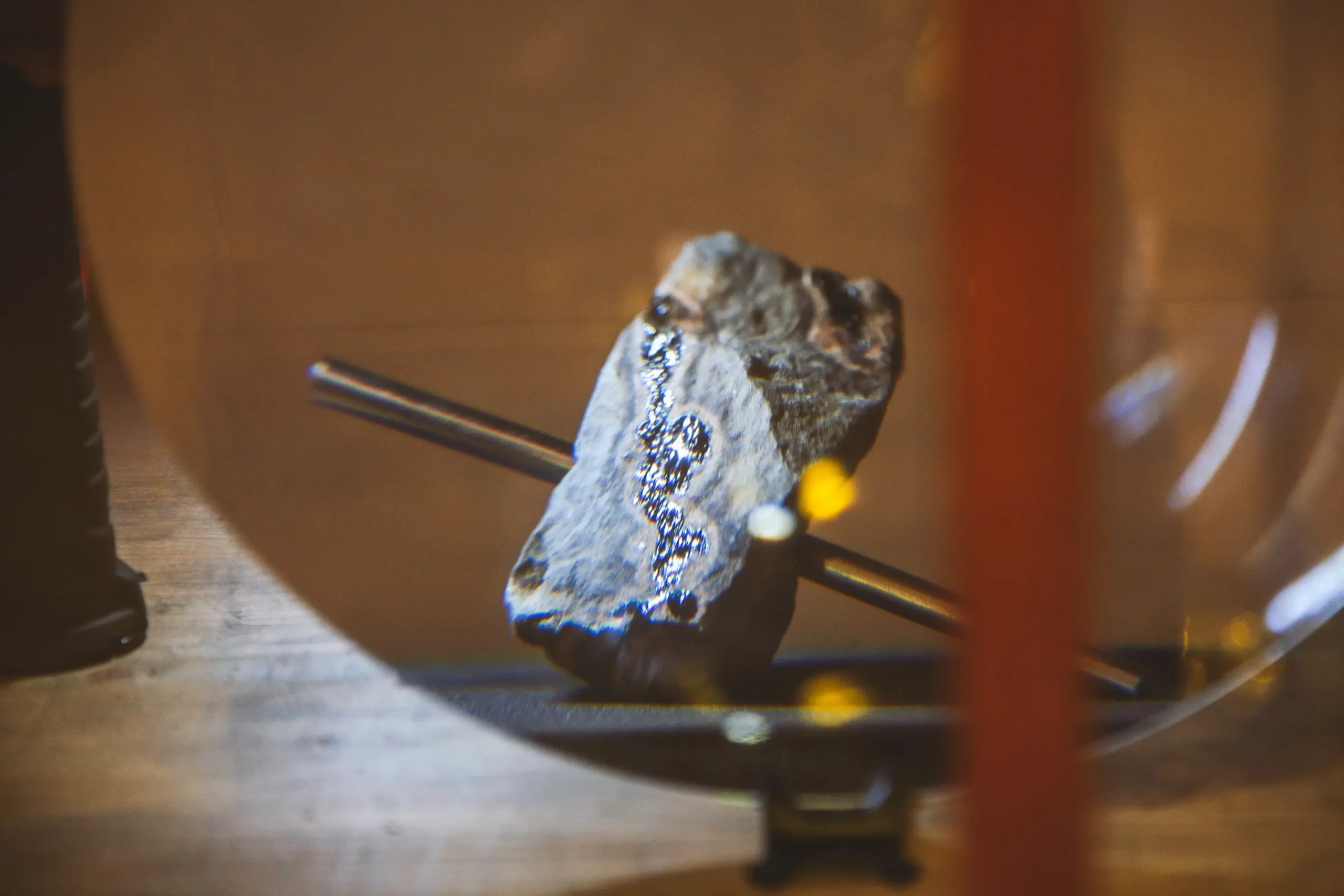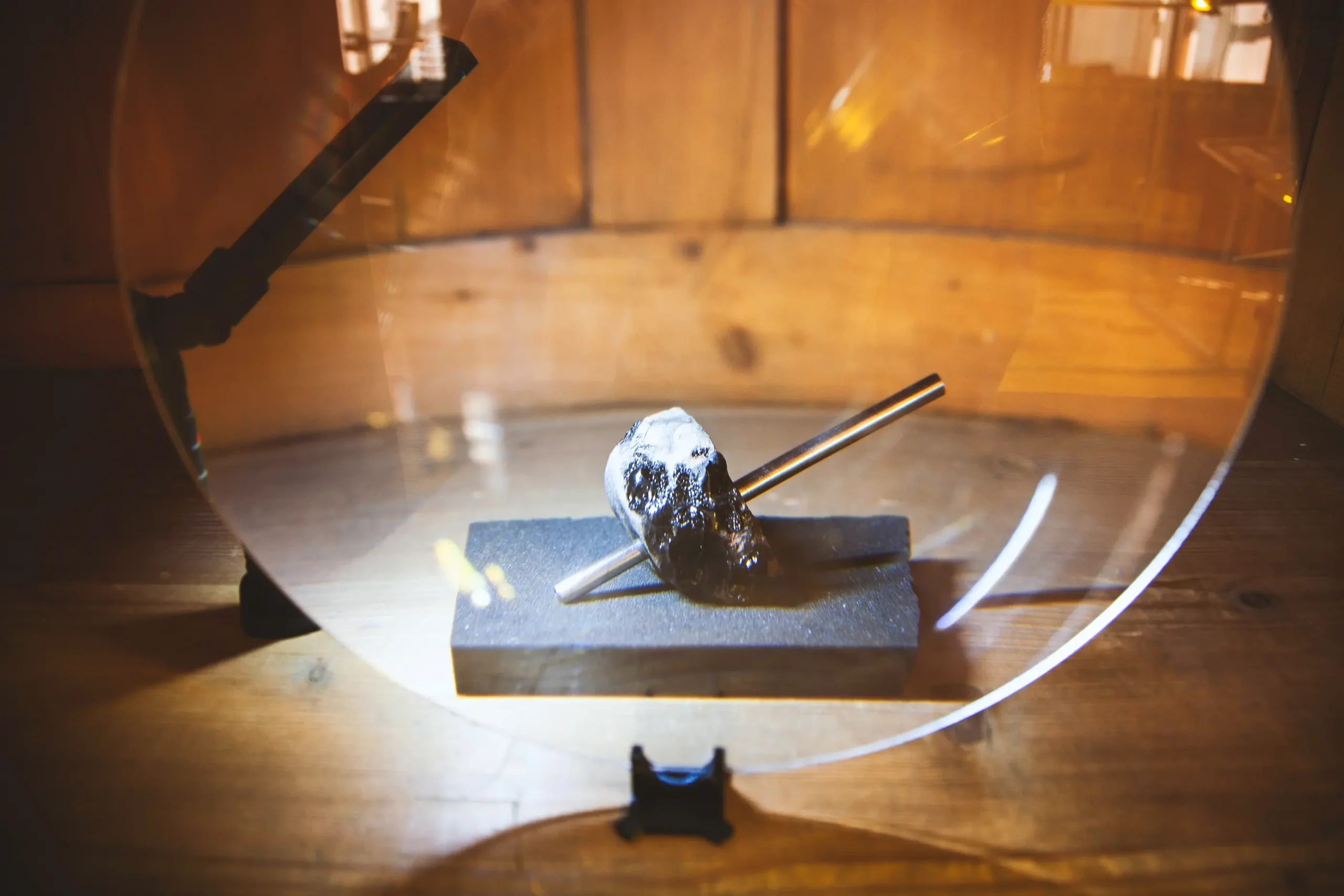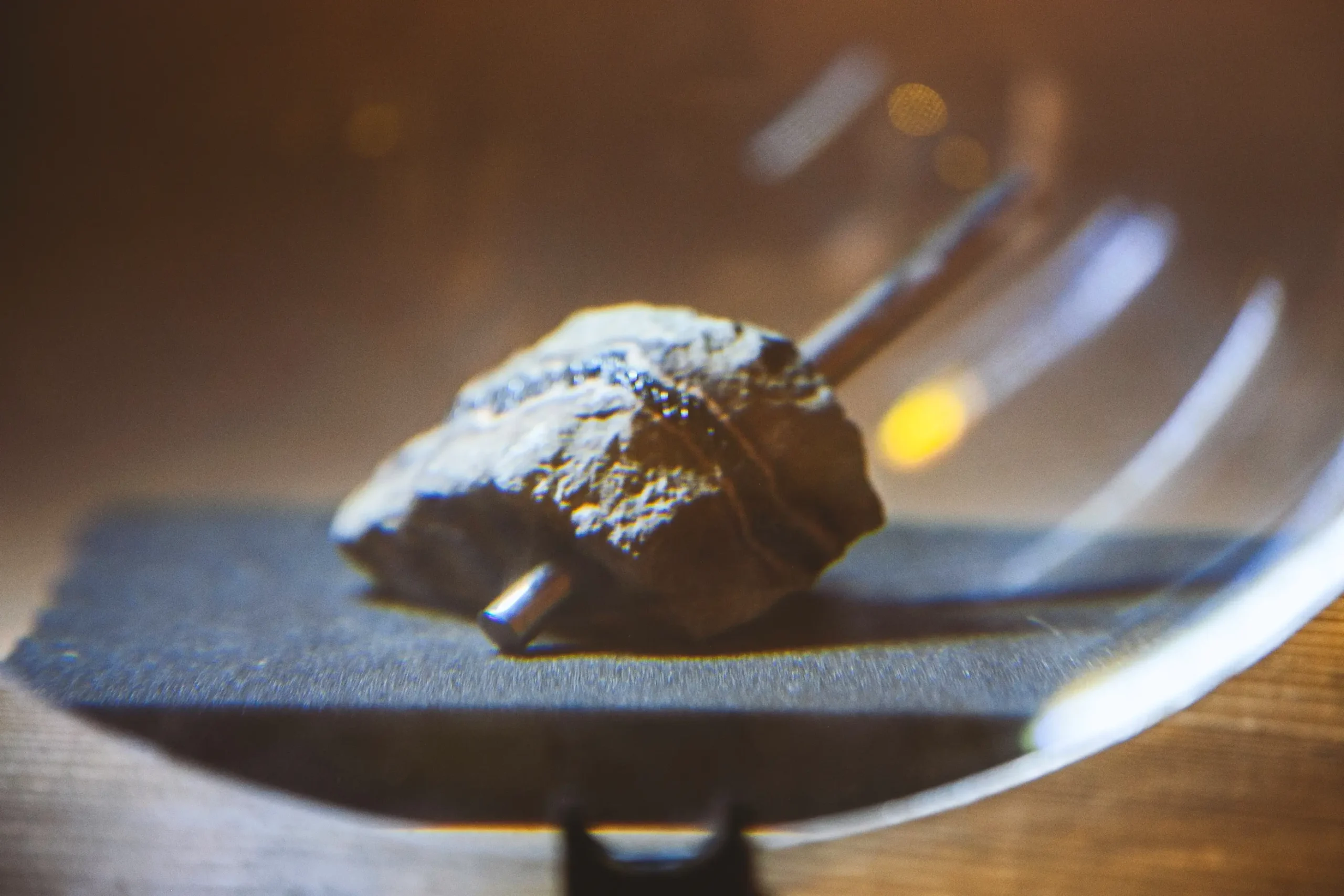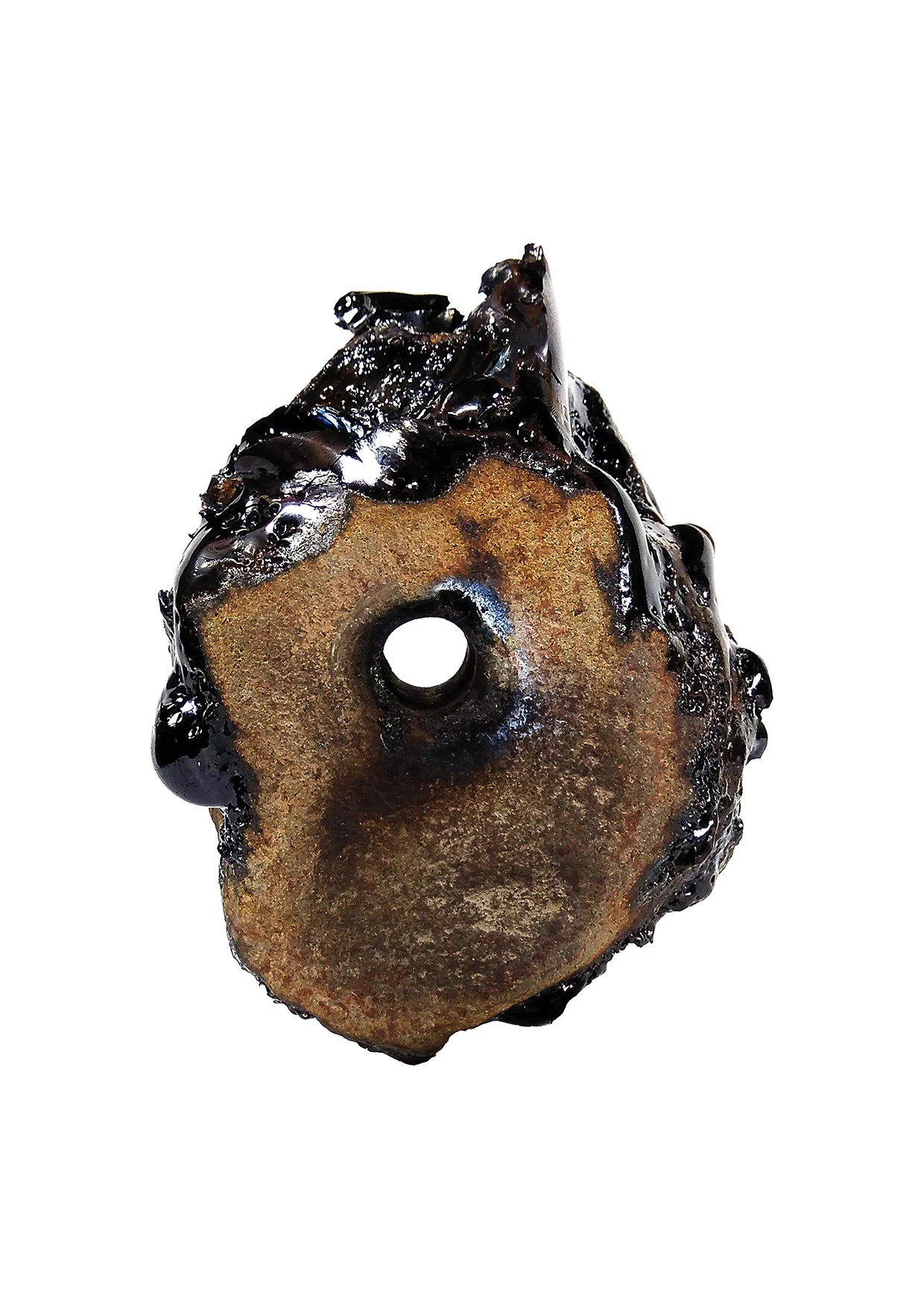
Combined installation: aluminium profiles, recycled liquid crystal panels („LCD Palimpsest Panels“), LED lighting, translucent display, generative video.. Fleet of Raspberry Pi 4B. Custom-made translucent displays. Result is a continuous projection of water micro-world.
| Series | Magna Mutatio |
| ID | 2022-MM-PAN-01 |
| Date of origin | 11.10.2022 |
| Technique | Combined installation: aluminium profiles, recycled liquid crystal panels („LCD Palimpsest Panels“), LED lighting, translucent display, generative video. |
| Dimensions | 6000 × 6000 × 2000 mm |
| Duration | Generative video (continuous loop) |
| Software | EcoGenesis Engine v2.0 — Hybrid system: 1) TouchDesigner for real-time processing of satellite data (ESA). 2) Custom-trained StyleGAN2 model (Python/PyTorch) for generating and mutating flamingo flock visuals. |
| Hardware | Fleet of Raspberry Pi 4B. Custom-made translucent displays. |
| Data source | Dual: 1) Time-series satellite data from ESA Sentinel-2 mapping hydrological and chemical changes of Lake Natron. 2) Custom dataset of flamingo flock behavior videos for neural network training. |
| Interaction | None direct. Algorithmic feedback loop with archival data. |
| Location of origin | Potential Gallery, Prague |
| Type of exhibition | Gallery installation |
| Curator | Matouš Tichý |
| Photo | Author archive |
| Author of text | Kryštof Brůha |
| Key concepts | Data metabolism, algorithmic DNA, machine improvisation, digital palimpsest, tactile imagination, bio-technological system |
| Text title | Magna Mutacio: Liquid Chronology of Landscape Metamorphosis |
| Date | Exhibition |
| 11.10.2022 | Magna Mutatio / Pantha Rei – Potential Gallery, Prague |
| Series | Related works |
| Magna Mutatio | Magna Mutatio – Natron (2022) — shares Lake Natron data source |
| Magna Mutatio | Magna Mutatio (Lisbon) (2022) — shares EcoGenesis Engine / Raspberry Pi |
CONCEPT
The technical mechanism of the work is based on the fluid processing of satellite data from the European Space Agency; time-lapse layers of imagery are modulated by adaptive algorithms that, following Kryštof Brůha’s methods, transform the macro-scale into a visual feedforward loop. Each pixel becomes a point on a dynamic graph, where geographical changes acquire the rhythm of tectonic pulsations. Here, data is not a static record, but a river that has carved its own bed through the meanders of time series.
The material metaphorics of the installation employ translucent panels crafted from recycled liquid crystals; their layered structure references the sedimentary nature of digital imaging. Reverse engineering deconstructs the images into their chromatic components, while the color white functions as an optical filter for layering temporal planes. Technology thus becomes a digital palimpsest, in which each layer vanishes beneath the next without entirely losing its trace.
The interaction between the viewer and the artwork is grounded in the principle of data metabolism: red light—a reference to the cyanobacteria of Lake Natron—permeates the panels like the hemoglobin of a virtual organism, while a generative video on the central display reconfigures flamingo patterns using neural networks. Here, machine learning does not replicate but improvises; each iteration of the birds‘ coloration represents a mutation in the chain of algorithmic DNA. The viewer stands between two poles: the blood of the ecosystem and its digital shadow.
Lake Natron pulsates between evaporite crystals and cyanobacterial storms; algorithms map it as an ephemeral node within the network of planetary changes. Inspired by Jan Švankmajer’s tactile imagination, machine interpretation becomes an instrument for seeing through time. Technology reveals that even the “macro” is merely a fragment in the infinite scaling of natural processes. What is a landscape to us is a mere breath to the Earth.
Machine vision captures transience, yet simultaneously imprisons it within a cycle of perpetual reinterpretation. Magna Mutatio exposes a paradox: the endeavor to preserve that which is inherently unstable. The lake, the flamingos, and the algorithms are metaphors for the same—drops in the ocean of entropy we call memory.
GALLERY