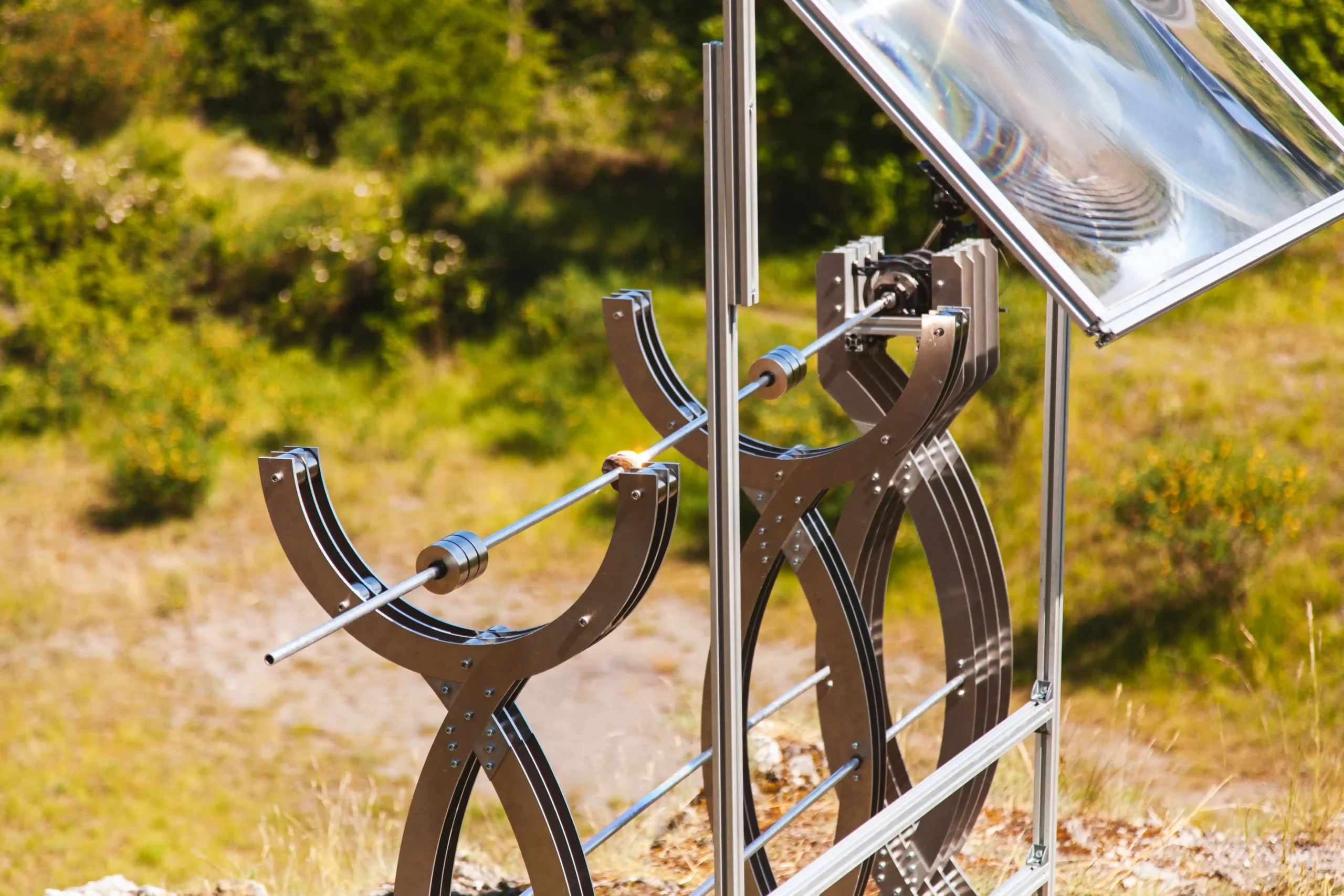
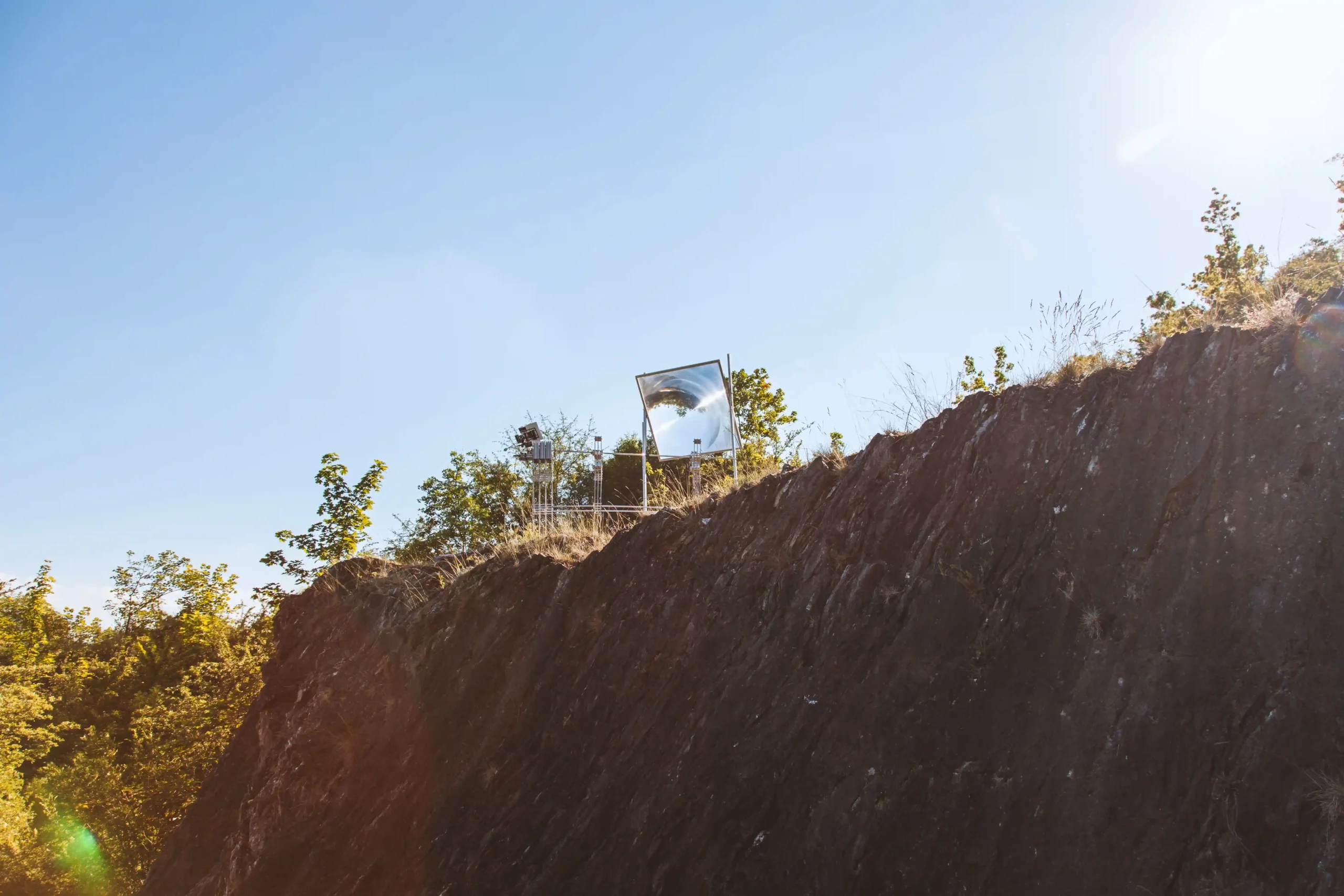
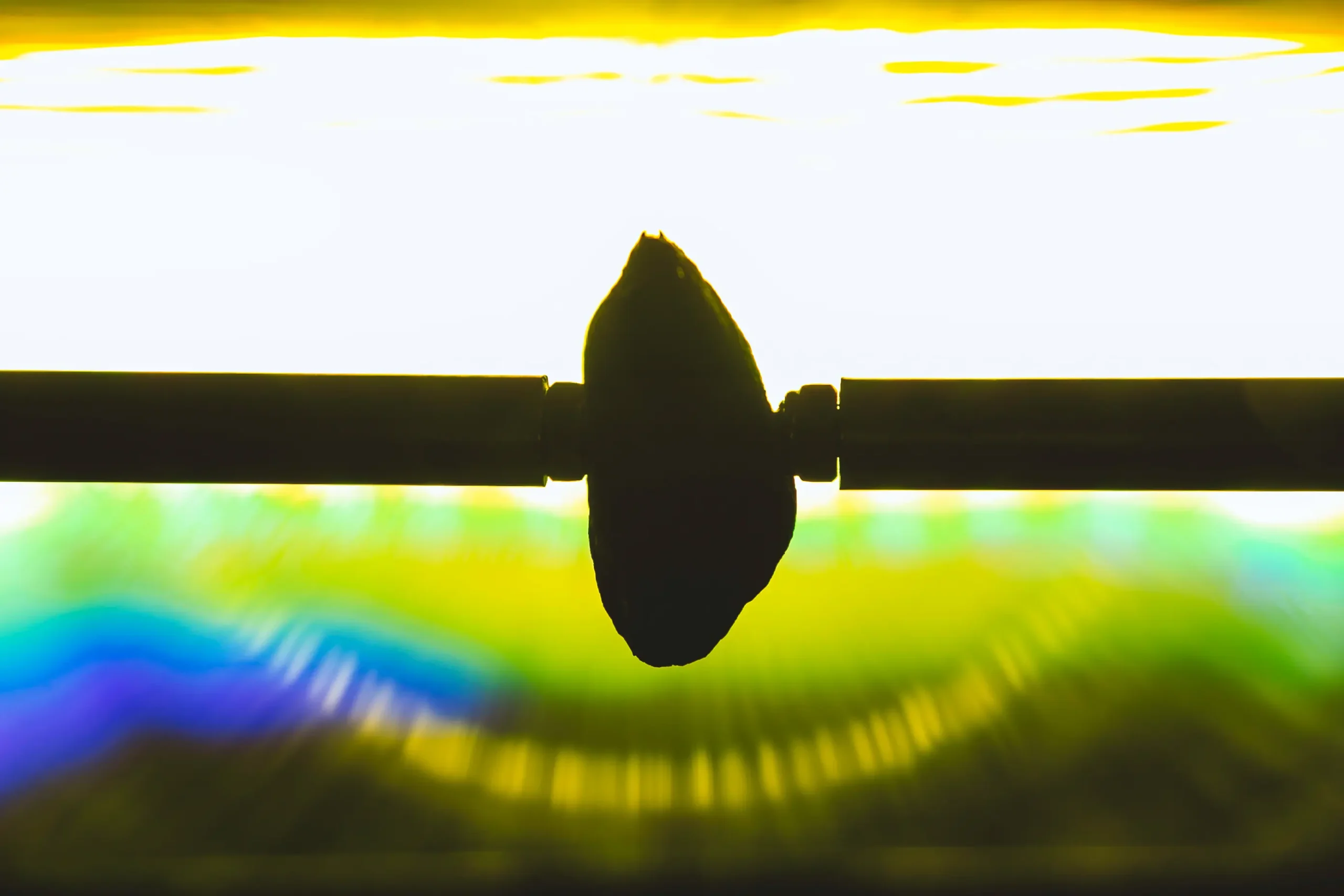
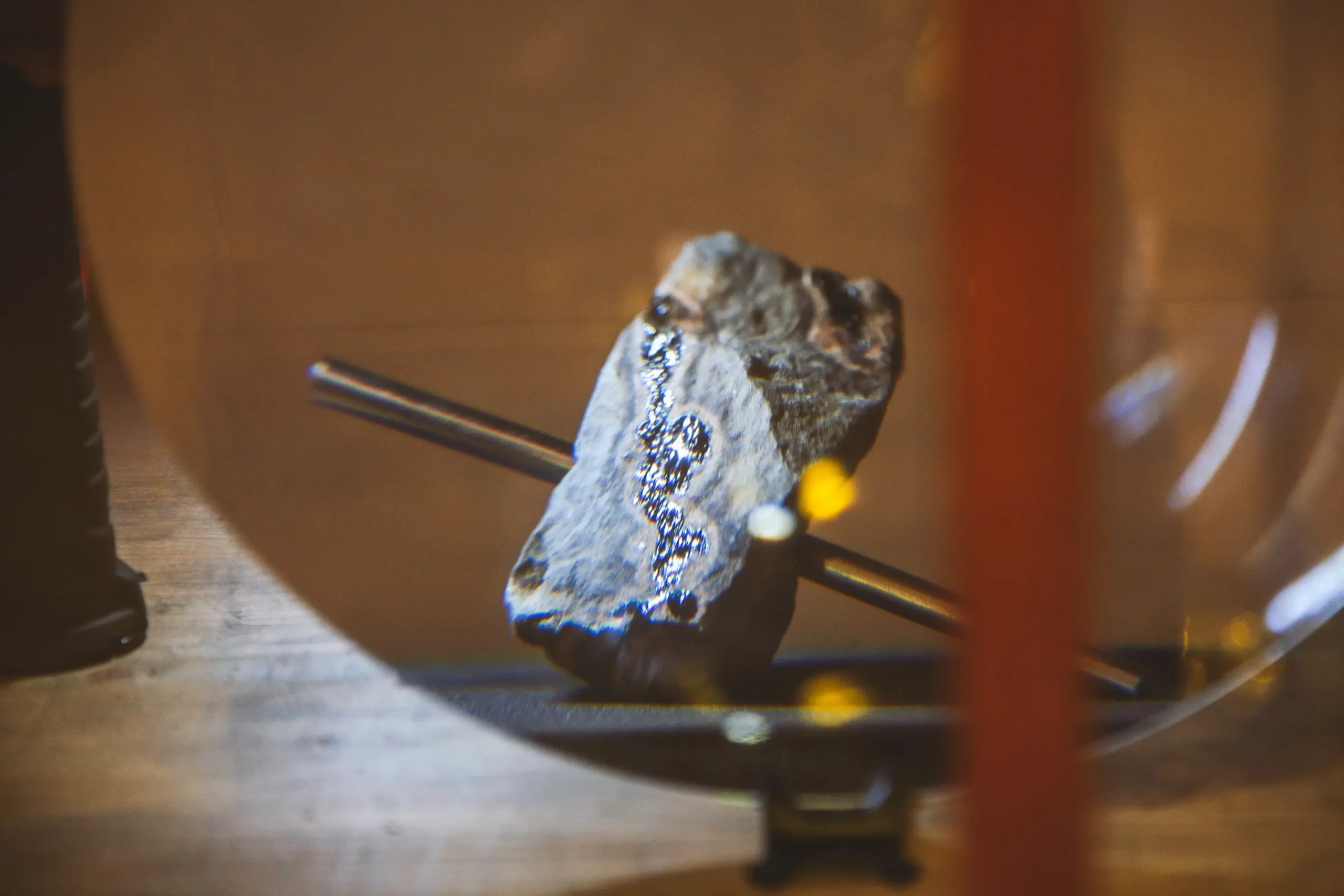
Generative video, 4K, single-channel. Tokenized on Ethereum platform (ERC-721). High-performance workstation (NVIDIA RTX series) Result is a continuous projection of water micro-world.
BASIC INFORMATION
TECHNICAL SPECIFICATION
CONTEXT AND ORIGIN
ARTWORK CONCEPT
EXHIBITIONS
CONNECTIONS
Series
Magna Mutatio
ID
2022-MM-LMK-01
Date of origin
8.9.2022
Technique
Generative video, 4K, single-channel. Tokenized on Ethereum platform (ERC-721).
Dimensions
4K, single-channel
Duration
00:07:21
Software
CycloneSynth Engine v1.0 — Custom patch in TouchDesigner. Iterative feedback loop (TOPs), GLSL shaders for fluid dynamics and chromatic dispersion.
Hardware
High-performance workstation (NVIDIA RTX series)
Data source
ESA Copernicus, Sentinel-2. Analysis of NDWI and vegetation indices (NDVI) of Lake MacKay area, Australia, over three years.
Interaction
Contemplative. The viewer witnesses an autonomous algorithmic process interpreting cyclic time.
Time-lapse layers of pixels from ESA satellites—mapping Lake MacKay over a three-year interval—undergo fluid processing that transforms them into a visual code. This process reveals spatial transformations at a scale inaccessible to the human eye; dynamic spatiotemporal interpolation creates a synthesis between geographical reality and algorithmic interpretation. Each frame is an archival layer that overlays the past like translucent paper, vanishing with the arrival of new data waves.
Lake MacKay, an ephemeral body of water in the Australian desert, is captured here as a cyclical organism with a data metabolism. Satellite sensors map its three-year pulse: from its replenishment by rains to evaporation, which leaves behind salt crystals as a biological palimpsest. Technology reveals how algae and desert vegetation adapt to short-lived moisture—their roots functioning as „biological algorithms seeking the optimal path to survival.“ This process evokes a „digital seed that germinates only at the moment it is watered by a rain of data.“
The interaction between natural processes and their technological representation creates an unstable network of visual relations. The white salt pan, formed by the capillary upwelling of minerals, parallels ephemeral archiving—both exist only as a temporary record of a transient state. According to the theory of material metaphorics, the salt patterns are a „fragile language written by nature, which technology strives to decipher before the text is buried by the sands of time.“
The lake evaporates, salt crystals remain, data overlaps. Magna Mutatio is built upon this threefold disappearance: natural, technological, and perceptual. The more meticulously we map transience, the more clearly we perceive that the tools of recording are themselves part of it. The paradox of modernity—the desire for eternity in a reality where even data is subject to erosion.