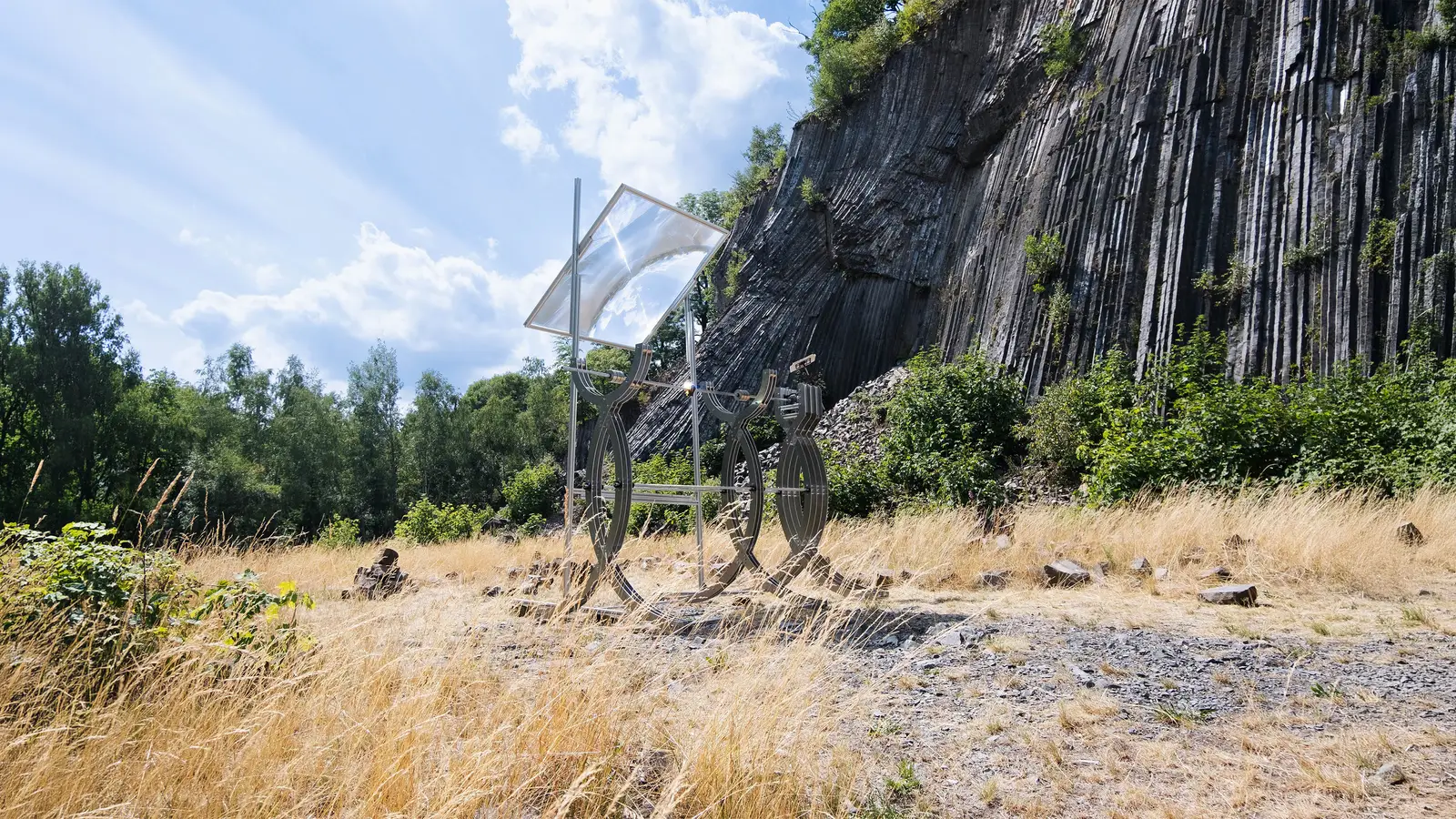
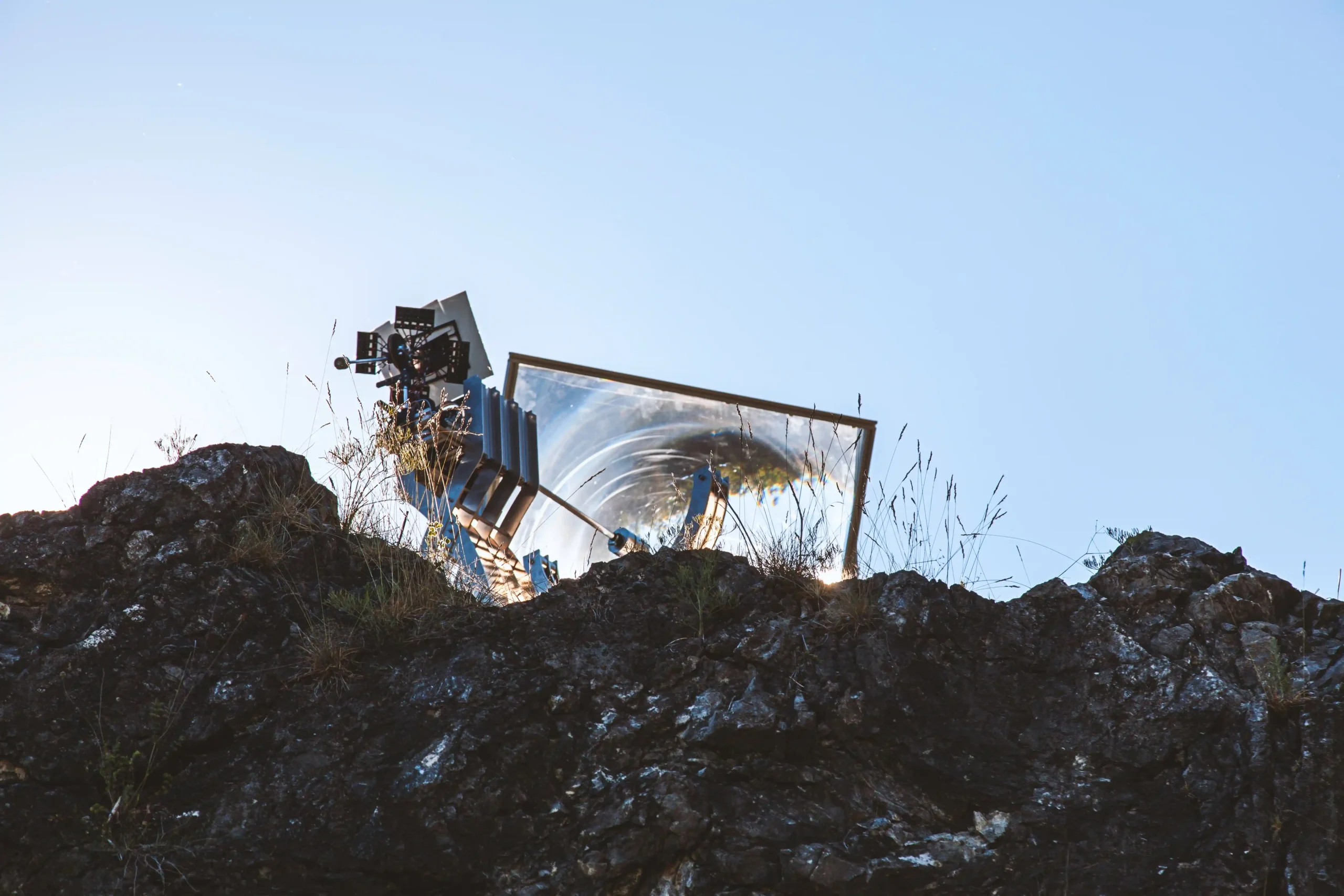
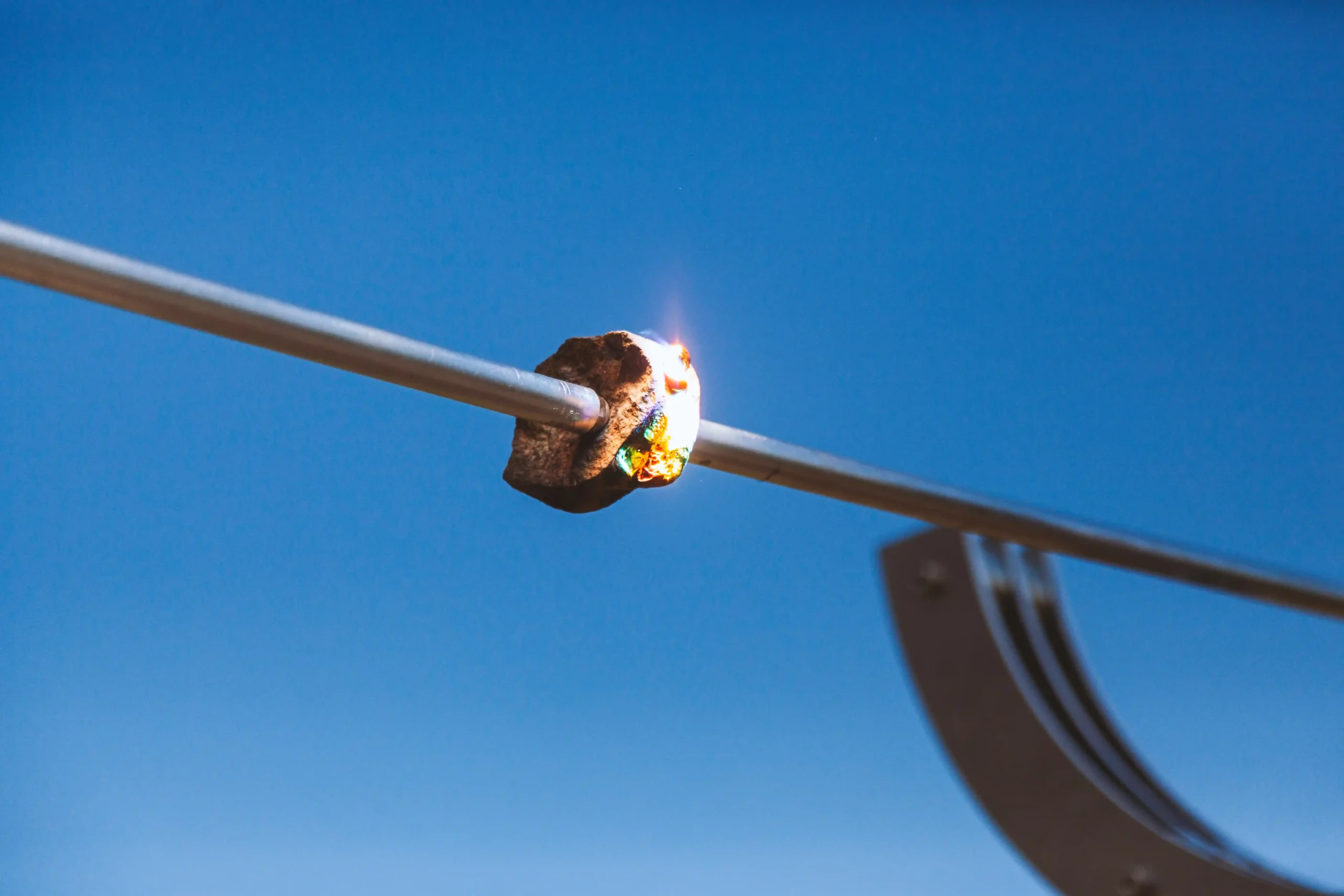
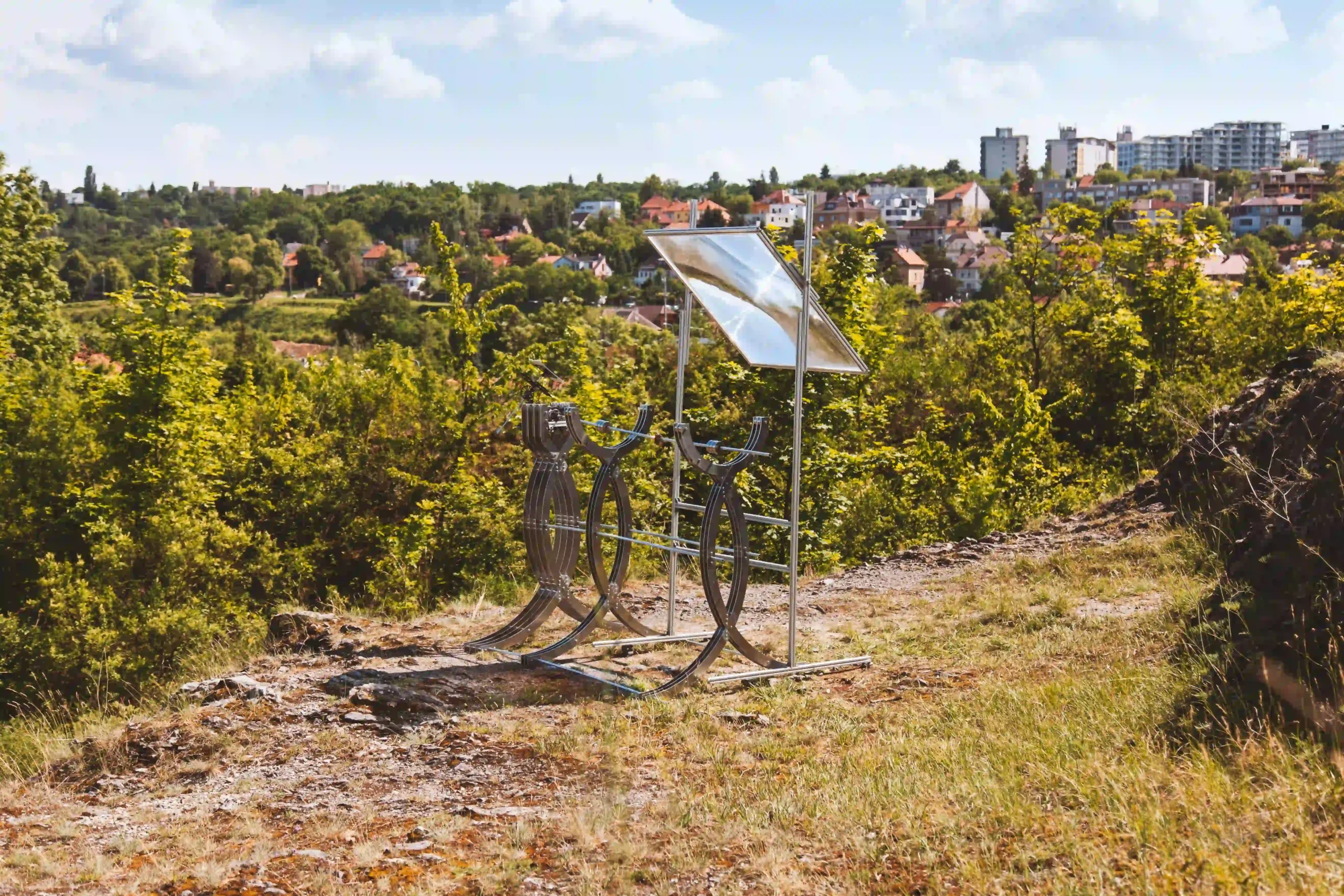
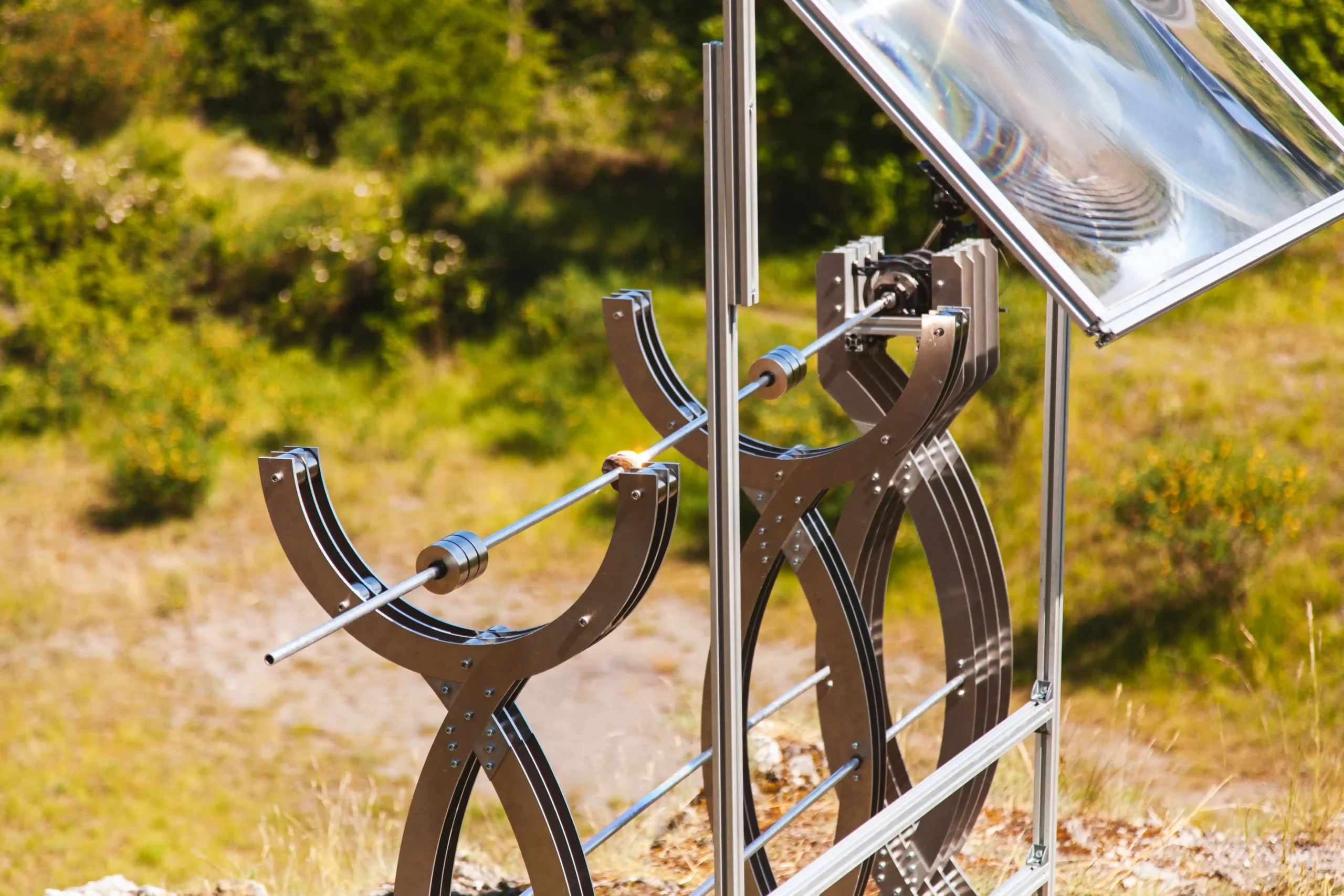
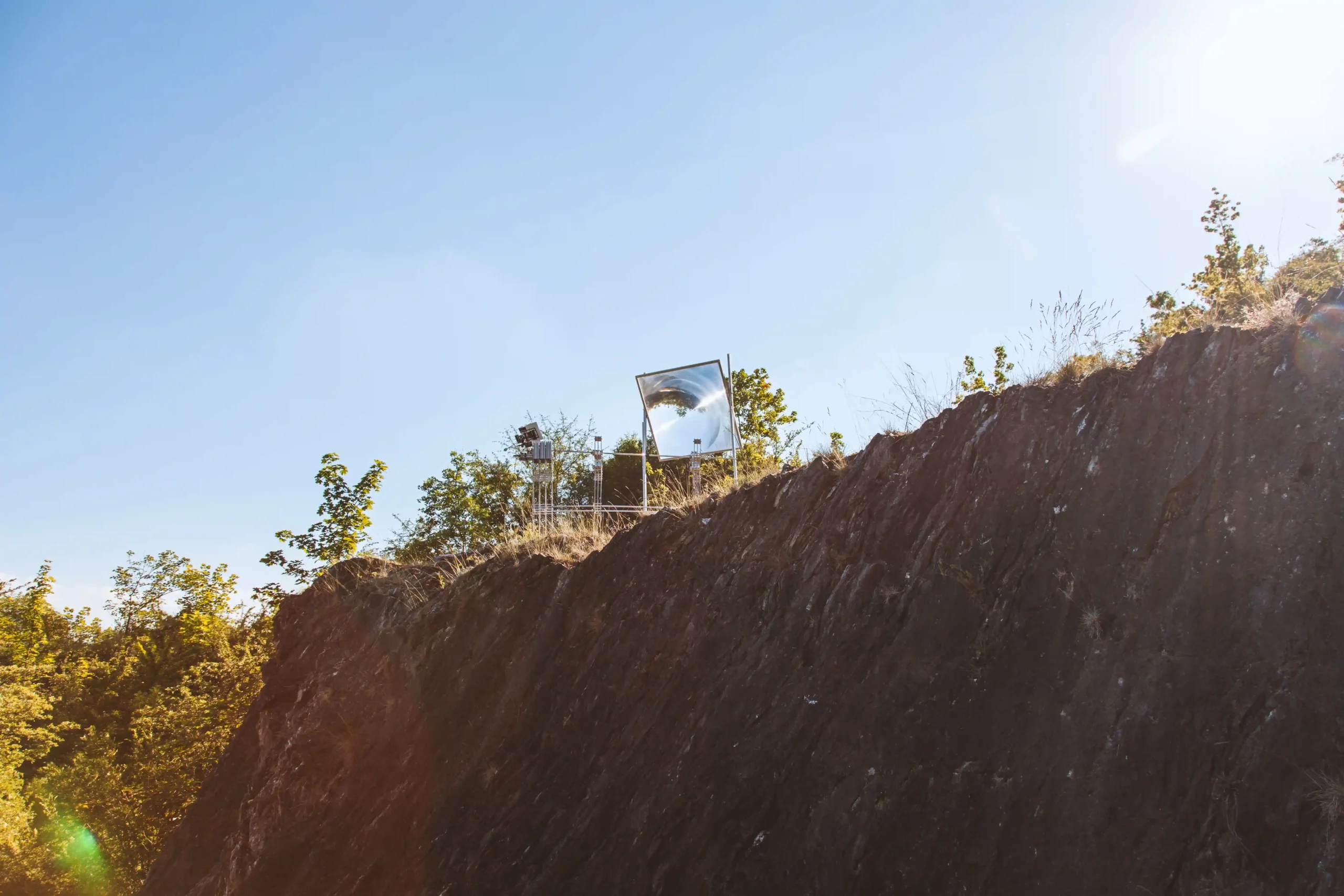
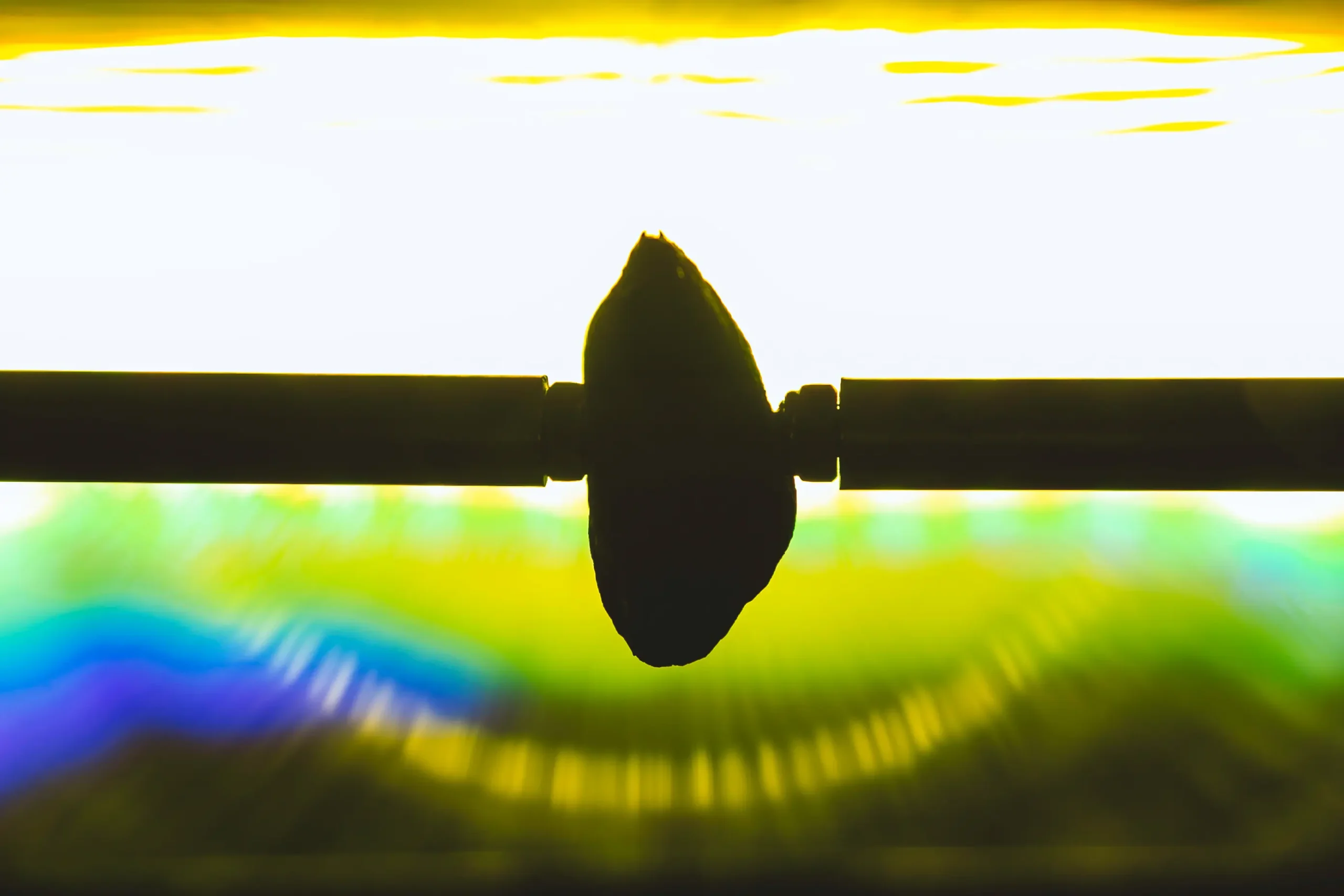
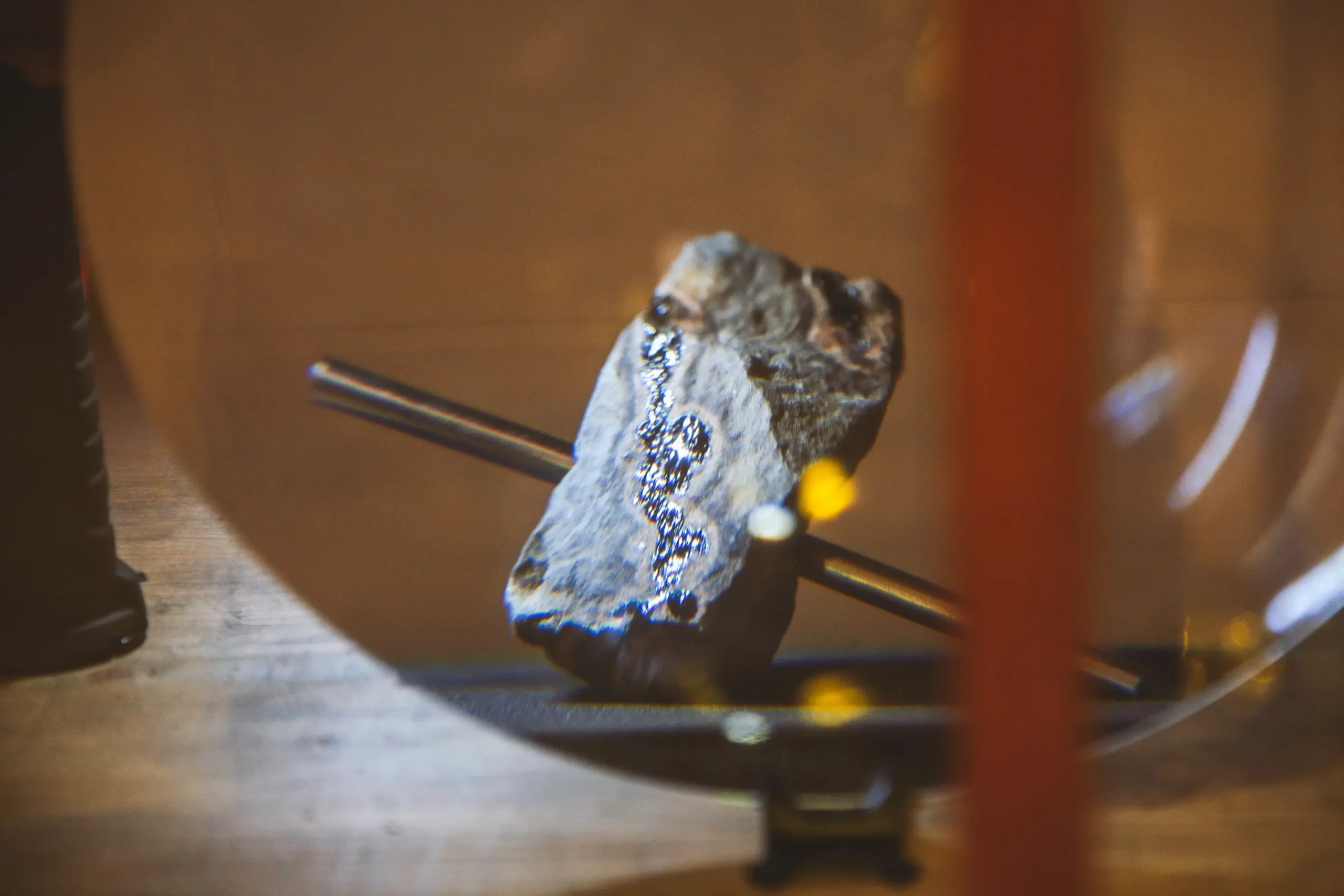
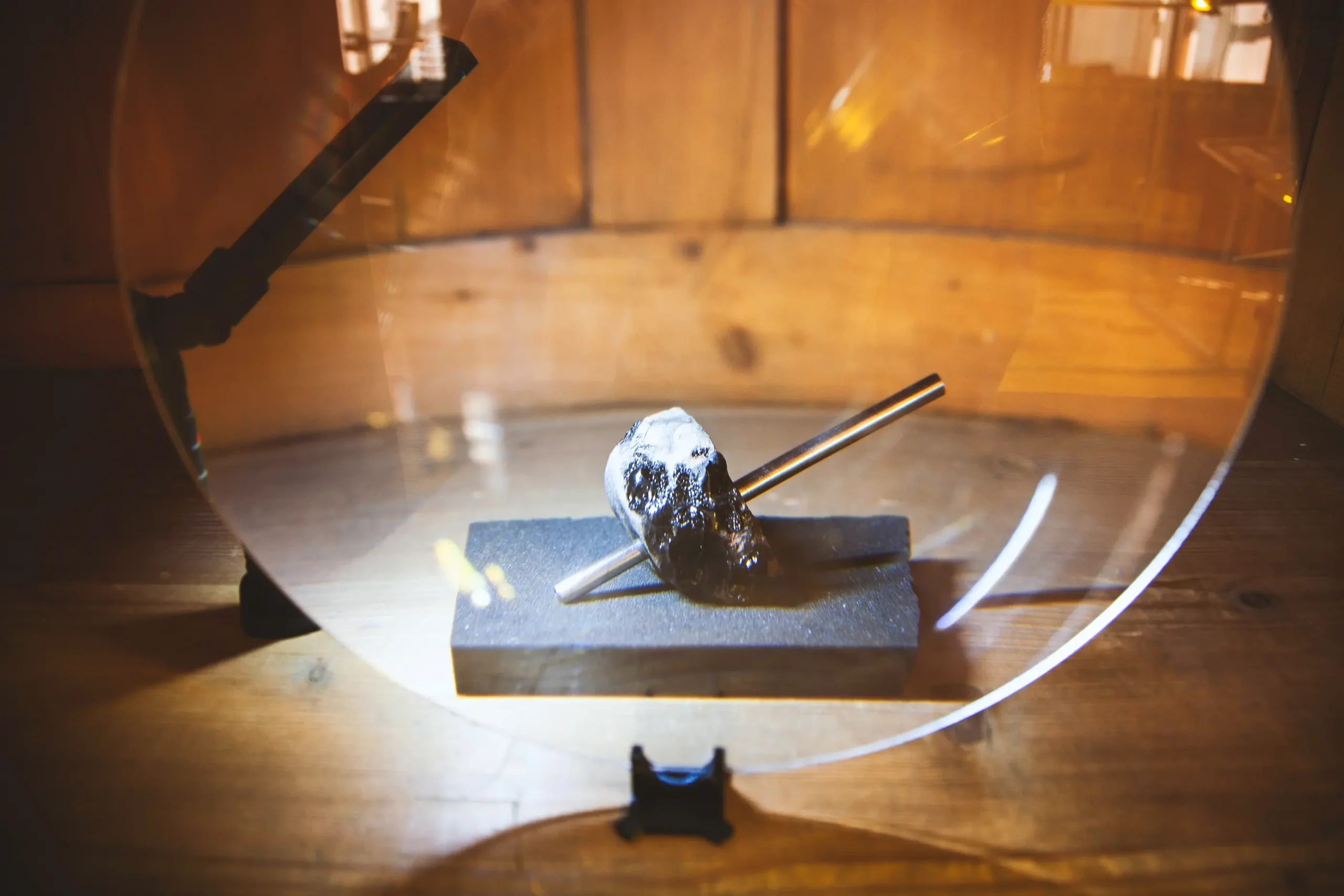
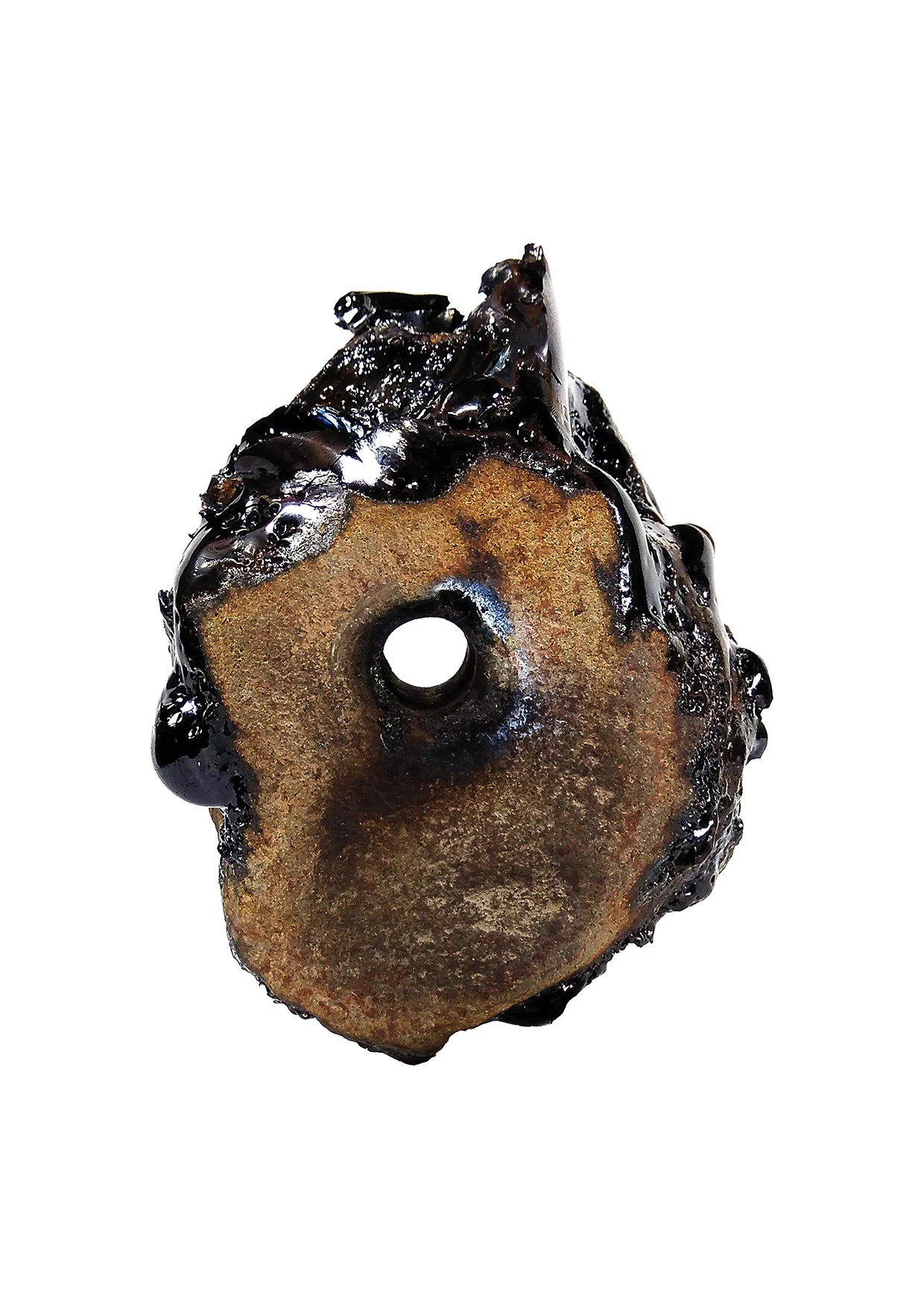
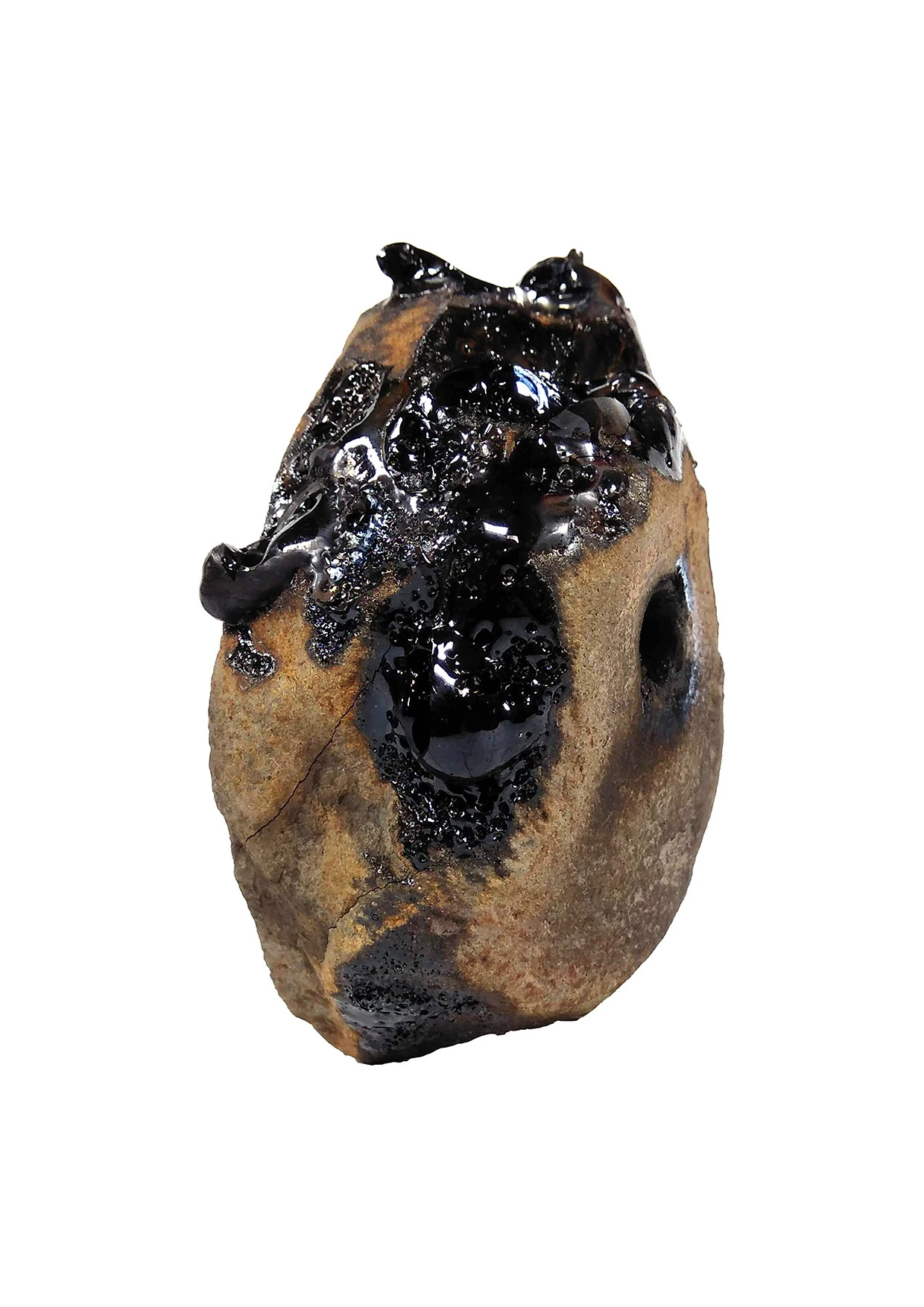
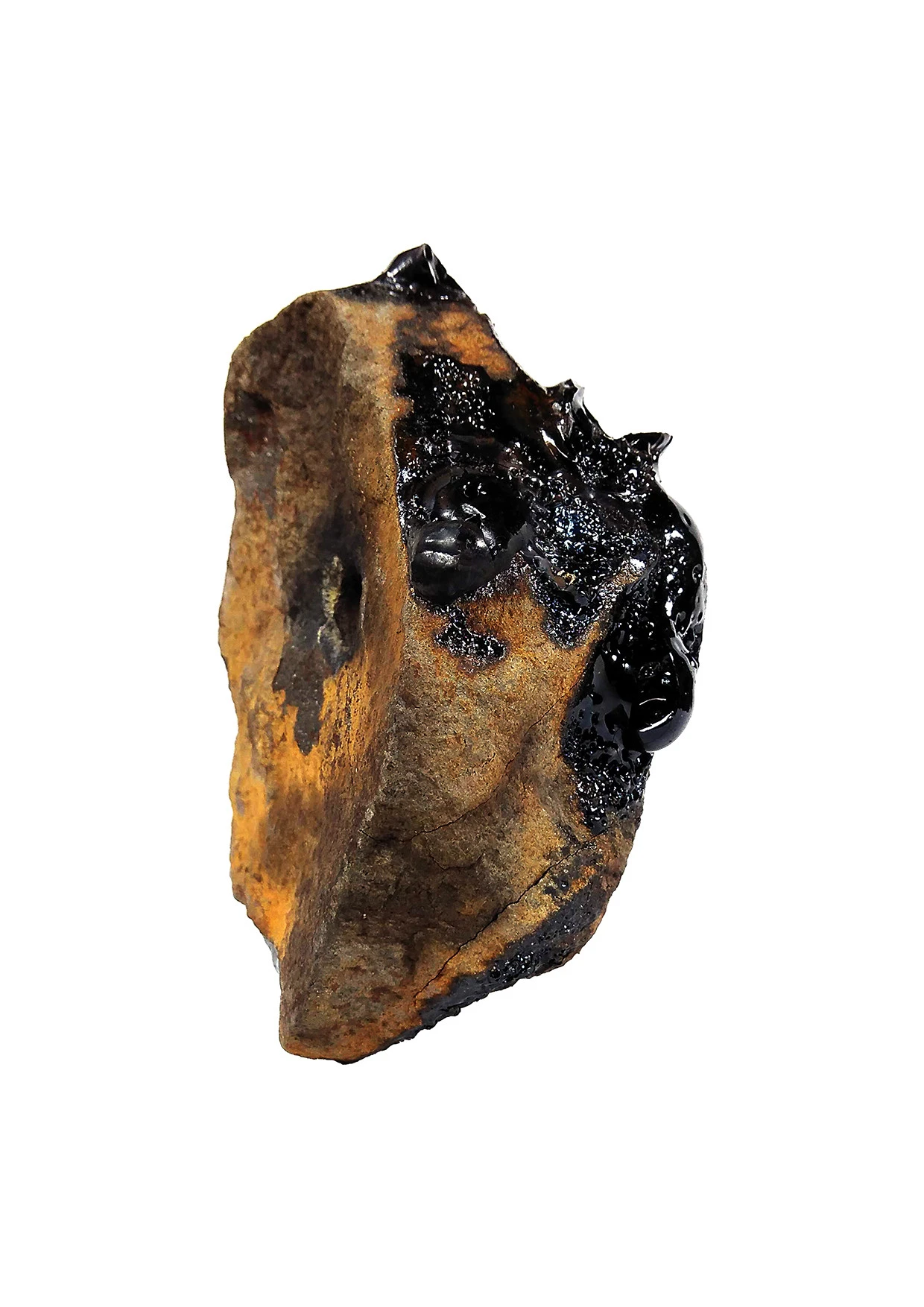
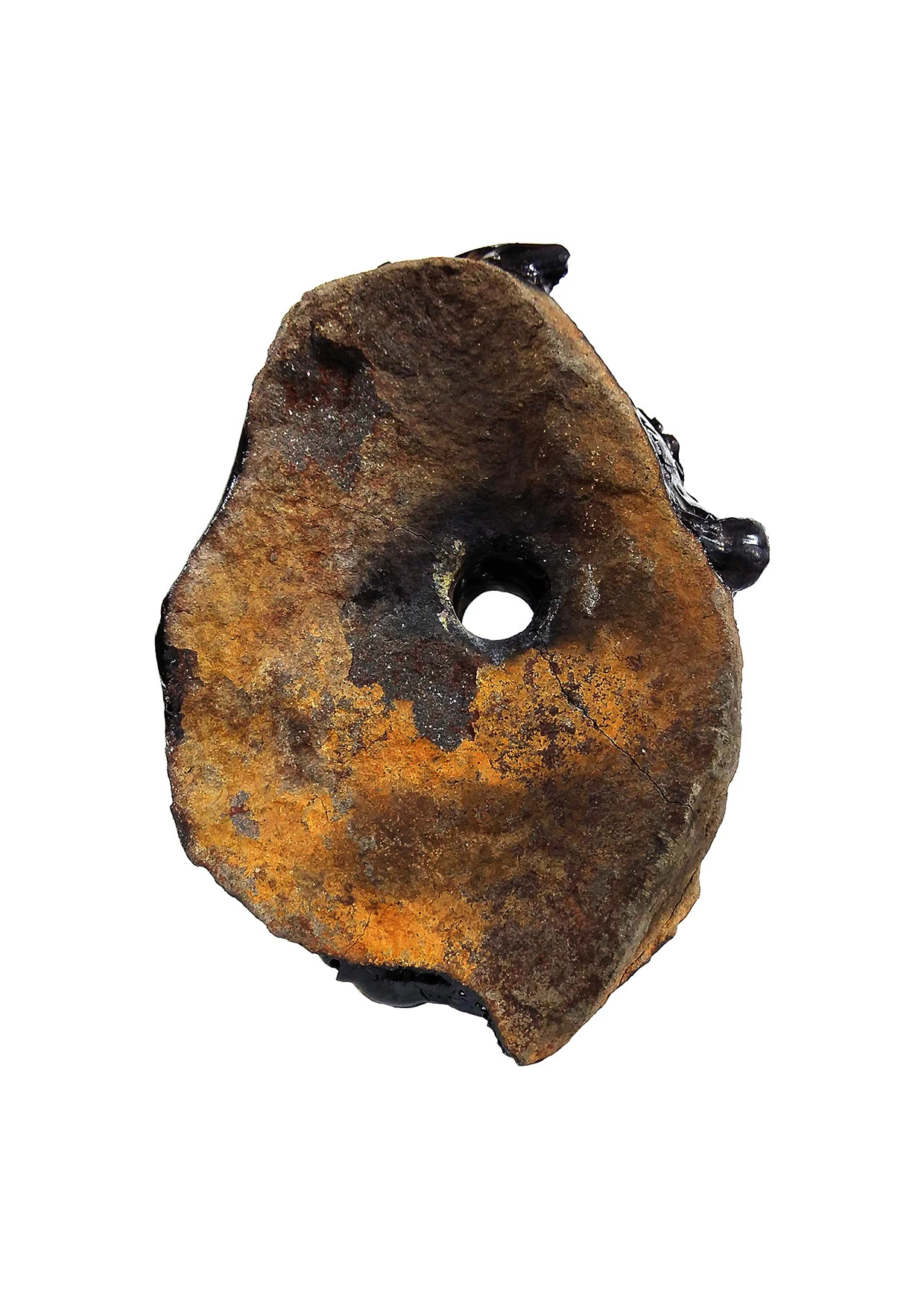
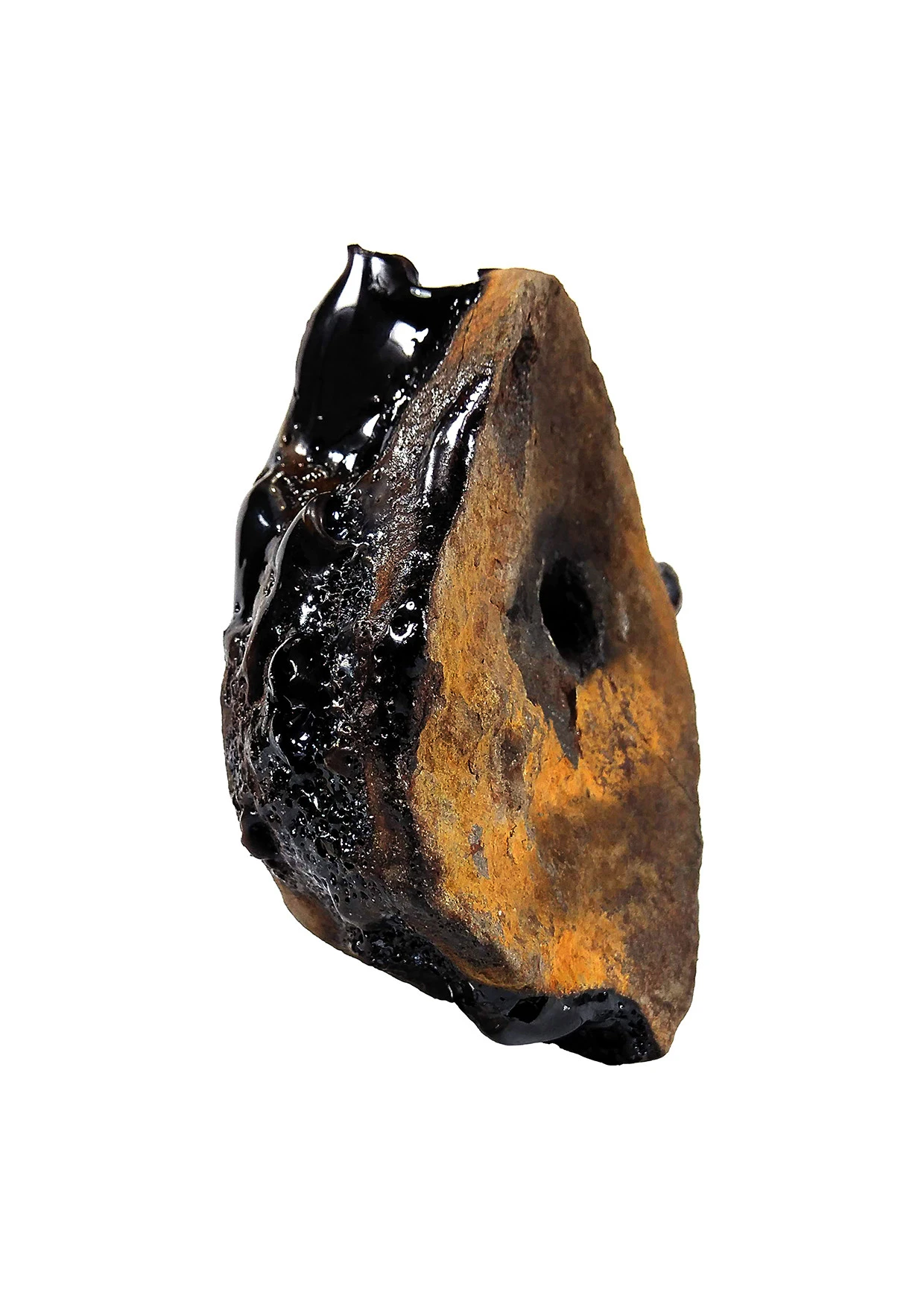
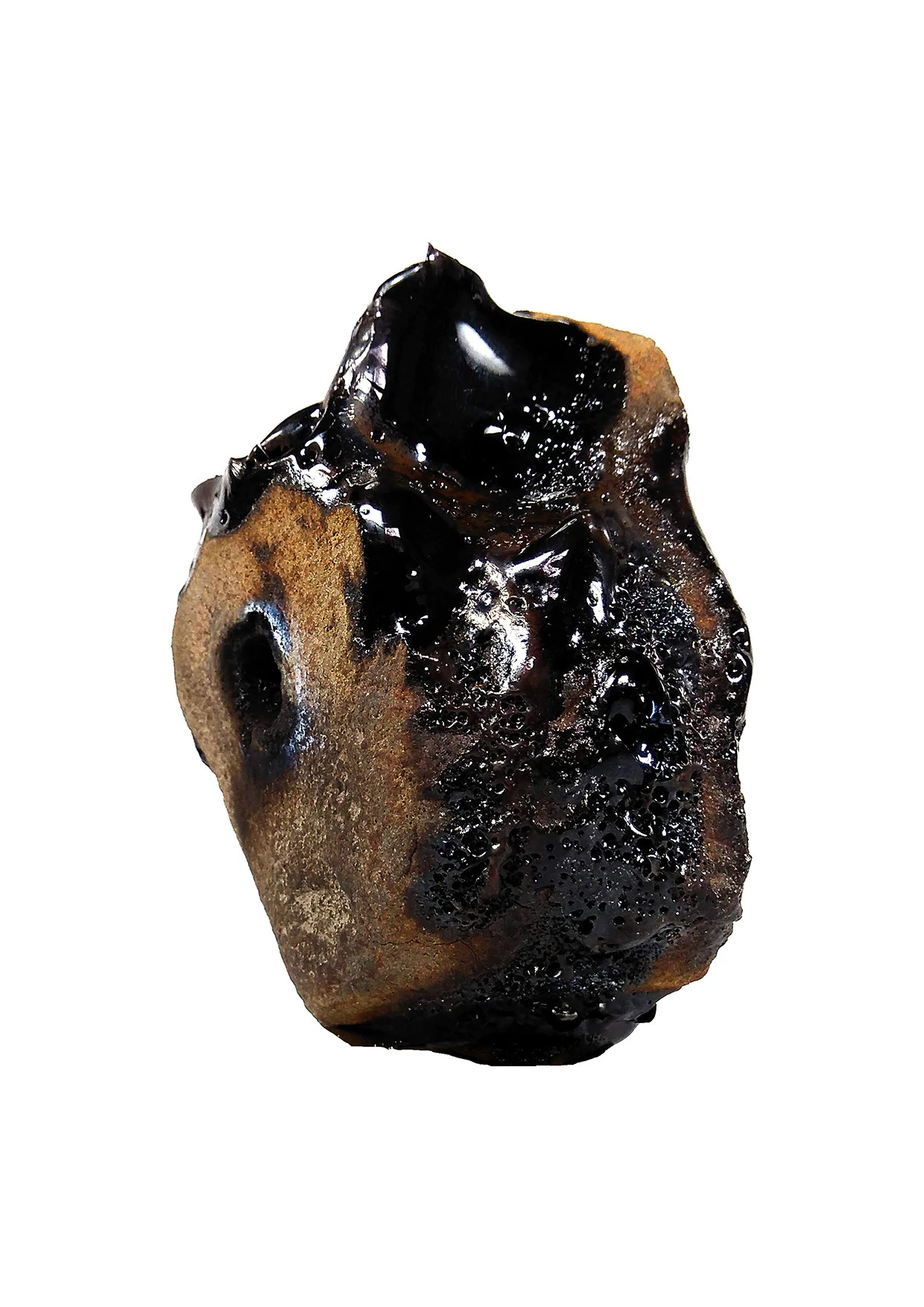
Spektraflux, EN AW-5754 (AlMg3), PMMA tubes, wideband RF antennas, pump, microcontroller. ESP32, inductive coil sensor (EMI detection from 50/60 Hz power lines), low-noise operational amplifier, pump and linear actuator Result is a continuous projection of water micro-world.
GridMorpheus v1.0 (custom C++/MicroPython firmware). Real-time FFT analysis of VLF signals, procedural generation of PWM for pump control and fluid dynamics.
Hardware
ESP32, inductive coil sensor (EMI detection from 50/60 Hz power lines), low-noise operational amplifier, pump and linear actuator
Data source
Electromagnetic emissions (EMI) from gallery power grid (50 Hz). Detection of fluctuations and harmonic distortion caused by energy consumption in the building.
Interaction
Infrastructural, indirect. The work responds to the energy metabolism of the building, not the viewer. Visualizes collective impact of all electrical devices in real time.
Location of origin
Art Week Liberec 2024, Oblastní galerie Liberec
Type of exhibition
Gallery installation
Curator
Dana Zikmundová
Photo
Anna Pleslová
Author of text
Kryštof Brůha
Key concepts
Infrastructural metabolism, energy archaeology, materialization of energy flow, invisible pulse, technological substrate
Text title
Mutatio Superstratum: Visualization of Infrastructure Energy Metabolism
Mutatio Superstratum functions as an in situ diagnostic system that visualizes transient phenomena in the low-frequency electromagnetic field generated by the gallery’s power infrastructure. Its primary function is the material translation of an invisible energy flow, thereby revealing the dynamics of electrical power consumption and distribution within the building. At the core of the installation is the medium Spektraflux, whose anisotropic structure reacts to variations in the electromagnetic field. In its resting state, which corresponds to the building’s basal energy level, Spektraflux exhibits minimal visual activity. Any changes in the grid load—initiated by switching on lighting, the operation of technical equipment, or other appliances—induce a complex visual response within the medium. This process represents a performative translation of the energy flux into an observable, material state.
The technical configuration of the work, consisting of a modular aluminum structure and transparent channels, integrates inductive sensors calibrated to monitor harmonic distortions and fluctuations in the electrical grid (50 Hz). Unlike systems that respond to communication signals, this apparatus deliberately ignores the data layer to focus on the fundamental energy substrate. Its visual output is therefore directly correlated with the building’s instantaneous energy profile, rather than the activity of external or personal devices.
In this context, interaction is defined as a systemic feedback loop between the work and its host architecture. The visual structures generated within Spektraflux do not constitute a symbolic representation, but rather an indexical record—a direct imprint of energetic events. The dynamics of the medium thus function as a chronographic visualization, mapping the intensity and character of energy consumption in real time. Through this mechanism, the work performs a continuous analysis of the building’s metabolism.
The phenomenological resonance of the installation lies in its redefinition of the ontological status of architecture, which is understood here not as a passive container, but as an active, dynamic system with its own energetic rhythm. The viewer becomes an observer of these systemic dynamics, with their own activity being subsumed under the collective energetic imprint articulated by the work. Rather than a critique of technological dependency, the objective is to explore the performativity of other-than-human systems and their fundamental influence on the constitution of our environment. Mutatio Superstratum thus problematizes the boundary between the material object and the immaterial energy field, presenting it as a zone of constant negotiation and transformation.